This enquiry confronts your students with a young German’s view about the significance of 1923 ? Can they use different sources to work out why 1923 was so bad?
Do you agree with the memoir of a young German living in 1923?
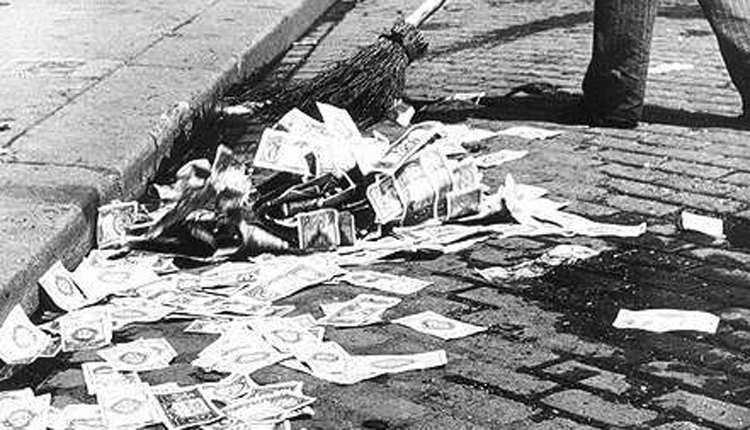

This enquiry confronts your students with a young German’s view about the significance of 1923 ? Can they use different sources to work out why 1923 was so bad?
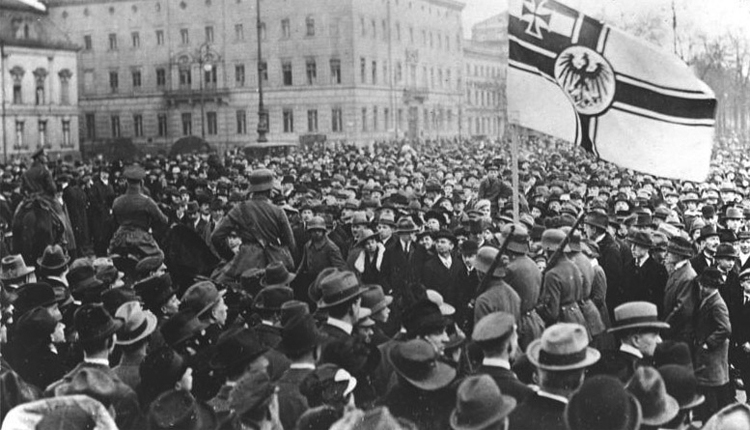
This enquiry shows your students the value of history. Acting as historical adviser to a film producer, exactly how should a programme about 19-23 be structured?
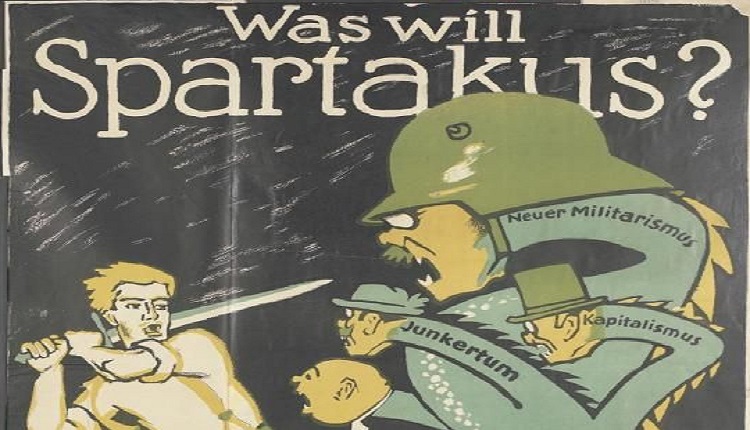
This summative enquiry acts as device to pull together all of the learning your students have undertaken about Germany 1919-23 (over the last 5 enquiries). They often find this kind of recall hard, so we have helped with a graffiti and striking images. You ask them to remember all they[…]
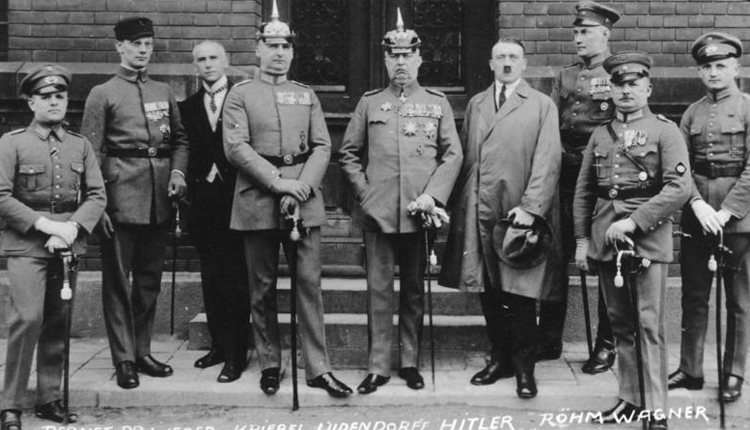
This active enquiry acts as a mini depth study on the Munich Putsch. You have already covered the Putsch in the threats lesson. This approach requires your students to compete against each other whilst they gather then classify different information. Can they beat their rivals? Then they evaluate the short[…]

Can your kids predict how a leader of a new Party might gain more members then work out from the Nazi 25 point plan who they were really appealing to? But deep down were they Nationalist or Socialist? First you ask your students to think how they would they try[…]
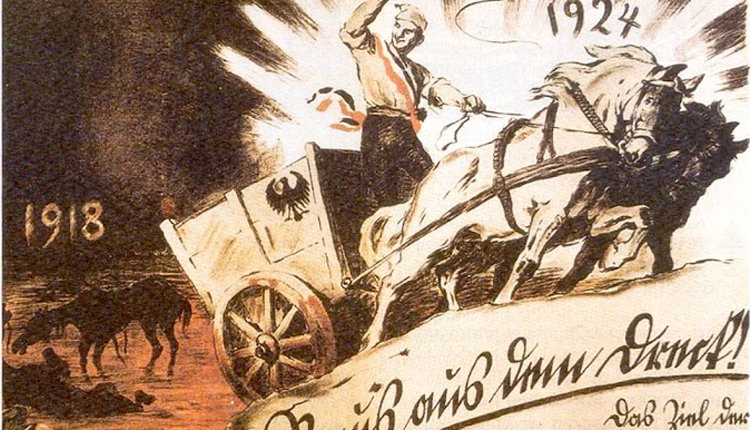
Help your students realise the potential of knowledge and think creatively. Can they unlock the messages of this election poster from 1924? Can they improve the design?
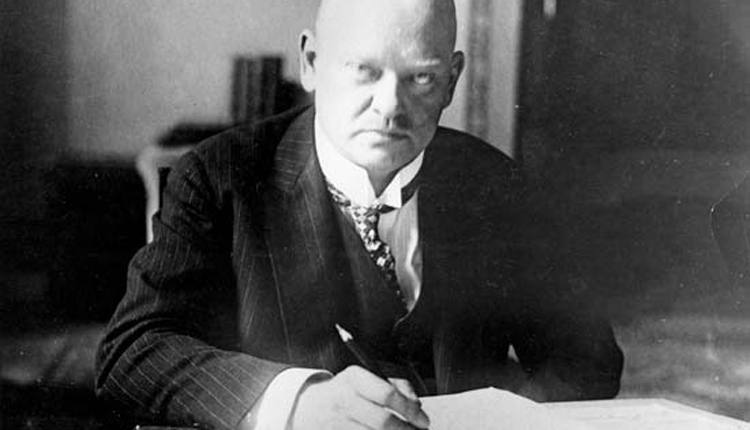
Arm you students with the knowledge to critically analyse a ‘revision film’ about Gustav Stresemann.
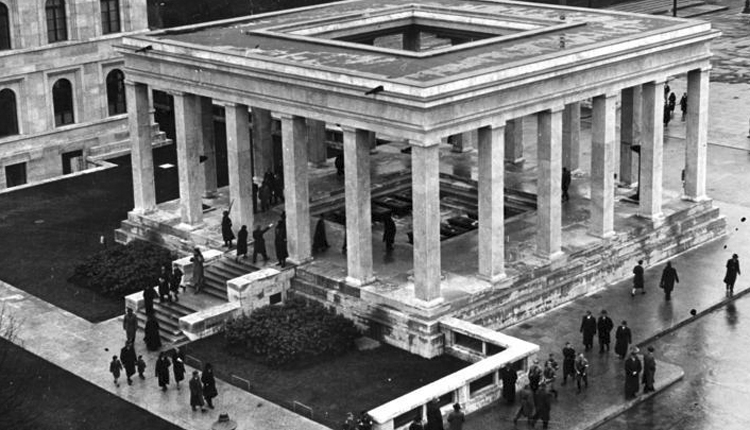
Help your students get over the perennial problem of believing websites to tell the truth. This enquiry helps your students cross-reference for a real purpose.
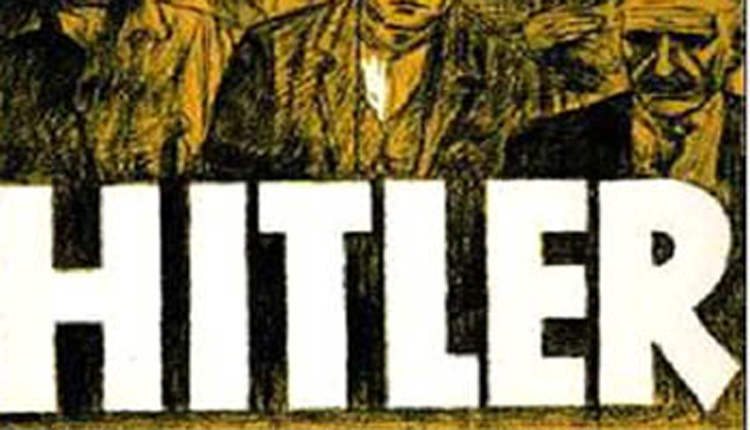
Help your students dive deeper with their understanding. How far the Nazis really changed tactics post ’24? They will soon see that the answer isn’t black and white, it’s quite murky.
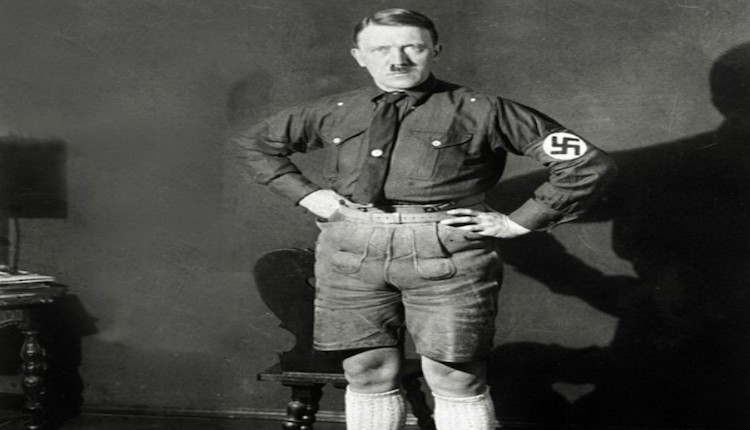
This short enquiry asks your students to work out how the Nazis changed tactics and find out about the relative success of these new ‘legal’ tactics. They will meet and listen to four characters to establish the reasons why these individuals did not vote for the Nazi Party in the[…]
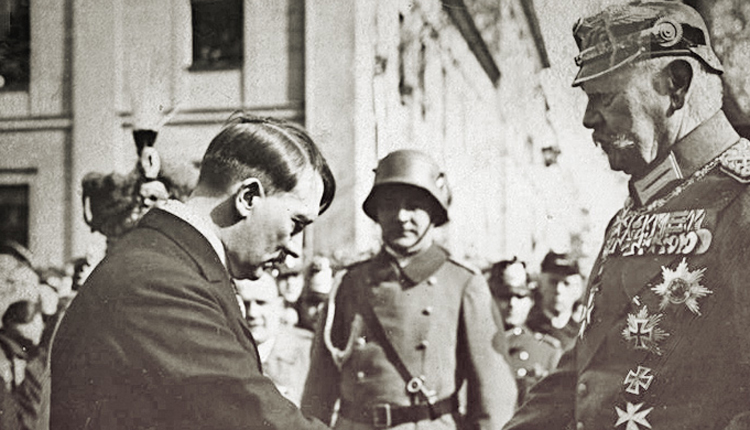
This enquiry unlocks the secrets of GCSE success. It shows students how to recall reasons, helps them to sort, classify and prioritise before explicitly modelling excellent explanatory writing.

Can your students work out why Hitler became Chancellor? They will work it out for themselves before looking at two contrasting interpretations.
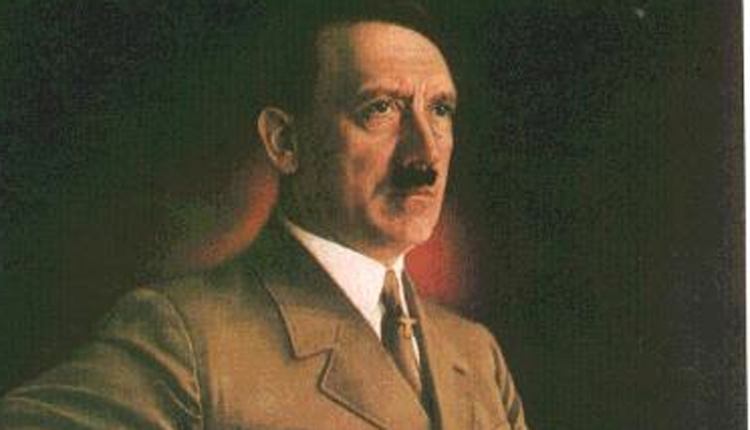
Decision making lesson which asks students to decide whether the Nazis should take the cautious, or extreme path to creating a dictatorshipHow Finish by getting them to design a better textbook diagram.
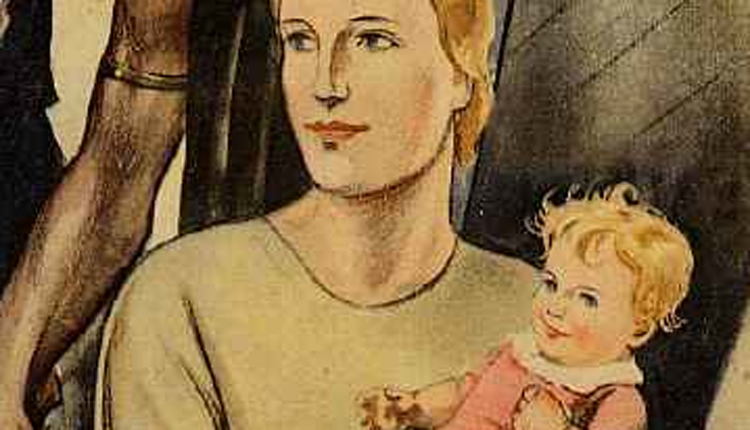
Starting with a thought provoking quote from an ex Nazi, your students will gain an overview of Nazi aims before looking different characters who may disagree.
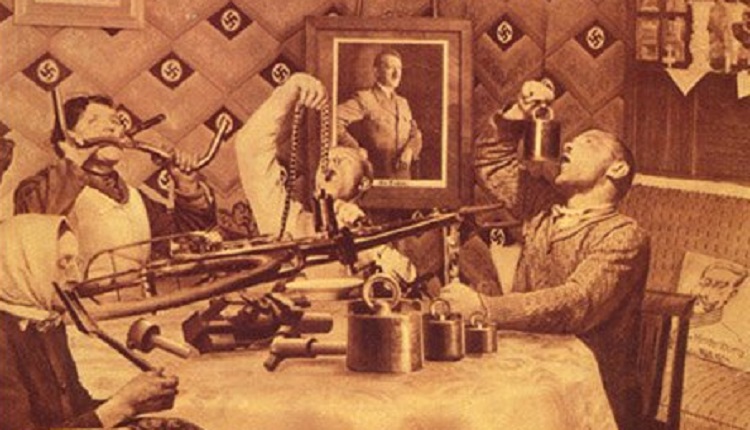
This enquiry helps your students develop an understanding of the Nazi economy. It takes a different approach to historical interpretations by showing how historians can have different views of the past, even when they use exactly the same sources.

This original approach, deals with the idea of Nazi control through interesting statistics: those criticising the Nazis after drinking, fell after 1933. Why?
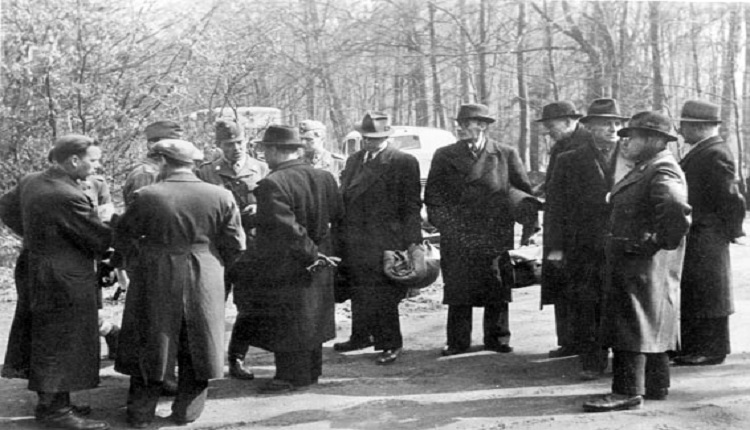
Who is correct about the Gestapo, historian Jacque DeLaRue, who suggests that the Nazi secret police were omnipresent, and the view of the documentary maker, Laurence Rees who thinks that the Gestapo were not?

This interesting enquiry looks at two historians who have opposing views about the Gestapo. Were they everywhere or is this a myth?

Can we trust Google to do our homework This enquiry gets your students to see that historical skills can be used to check what is posted on the web.
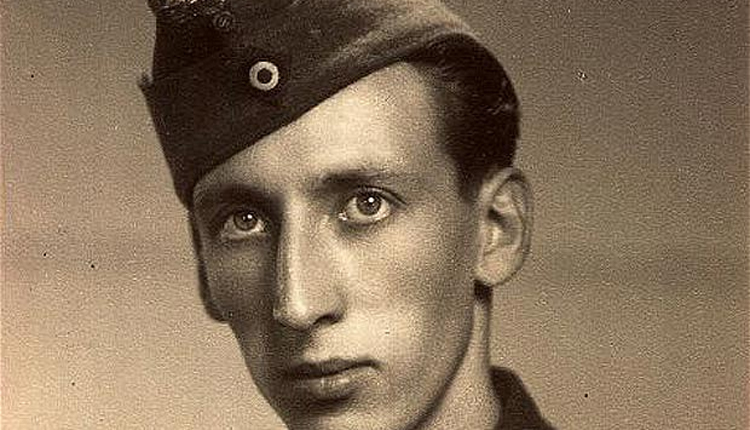
Using the personal story of one young pro Nazi, your class will find out about the purpose of the Hitler Youth and compare Henry’s experience to other people’s.
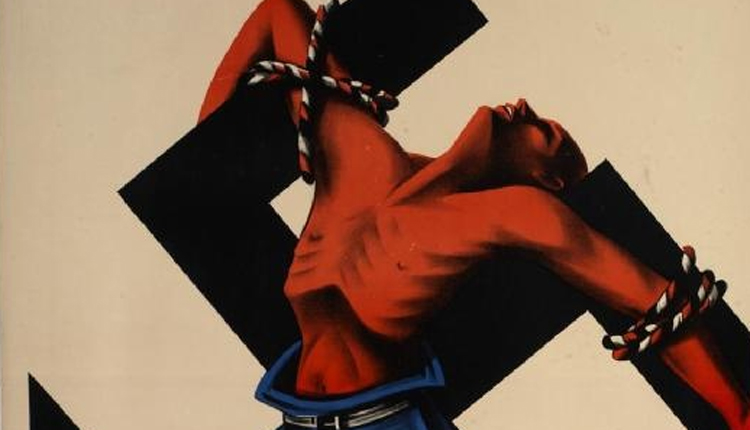
The students make their own audio guide for this poster explaining the message and evaluating how prescient the Social Democrats were.

This innovative enquiry gets students to acquire vital GCSE skills in an active manner. They compete in teams to spot subtle forms of propaganda. Can they then challenge an on-line expert?

This enquiry puts your students in the role of investigative journalists. Can they use their skills to get to the bottom of this shocking story. Can be either a class or ICT based enquiry.
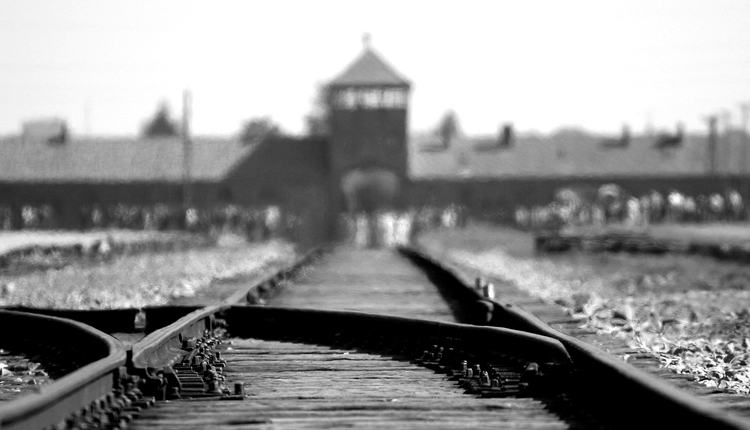
This enquiry shows you what great teaching really should look like. Focusing on real interpretations and high end causation work, can the class decide whether they think The Holocaust was inevitable?

Get your students talking to each other in the role of opponents to the Nazi regime – how many really stood up to the Nazis?
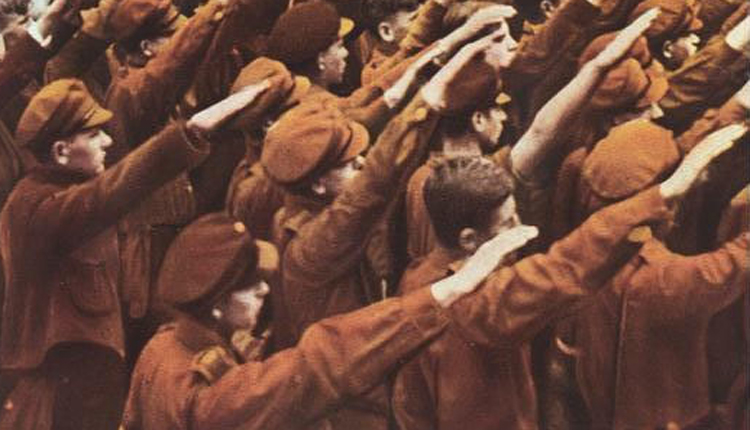
Your students act as Nazi school and youth group inspectors to assess the evidence and work out how well the state achieved its policies for young people.

Using the hook of a broken film clip, students are encouraged to explore the decision making behind the Nazi-Soviet Pact. This is the antidote to a potentially dry topic tacked onto a causes of World War Two unit.
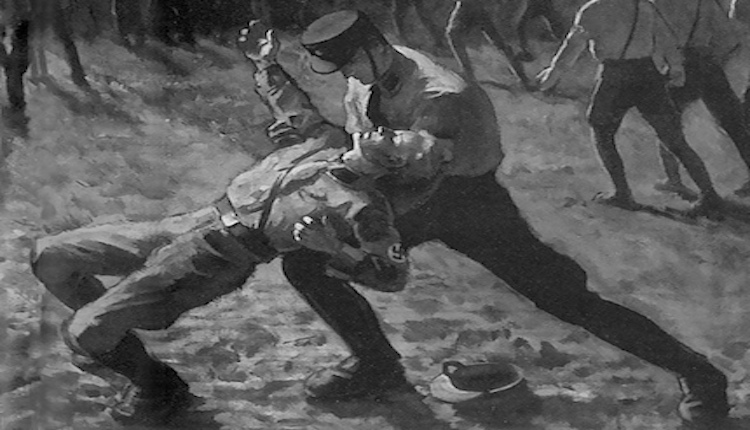
This enquiry asks your students to recall / remember as much as they can about Germany 1933 by answering the simple enquiry question: How far did the Nazis achieve their aims? With the use of clever resources and careful handling, your students will re-visit the core knowledge they need to[…]
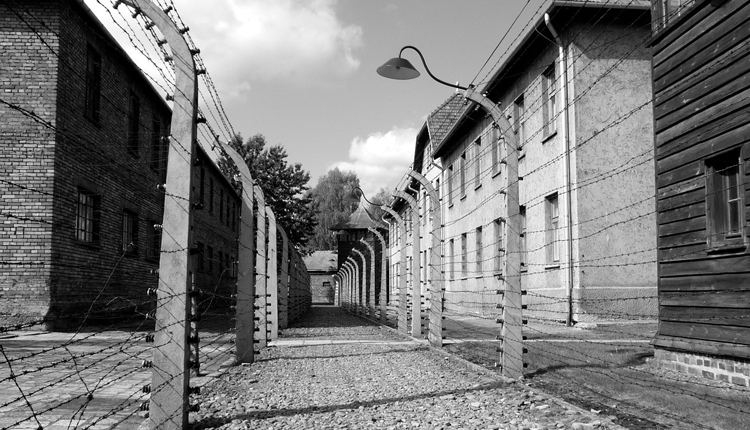
The protest song Peatbog Soldiers was written in a labour camp. What might the lyrics say? How do they compare to the available evidence? Why are some things not included?

Lots of thinking has gone into planning and resourcing the AQA wider world depth study; conflict and tension between East and West 1945-72. The rationale behind this comes straight from successful classroom practice. The entire course has been structured around 10 core principles designed to support learning. The Cold War course with fully[…]
