Lots of thinking has gone into planning and resourcing the Edexcel Period Study: Super Power Relations and the Cold War 1941-91. The rationale behind this comes straight from successful classroom practice. The entire course has been structured around 10 core principles designed to support learning. The Cold War course with fully resourced lesson enquiries has[…]
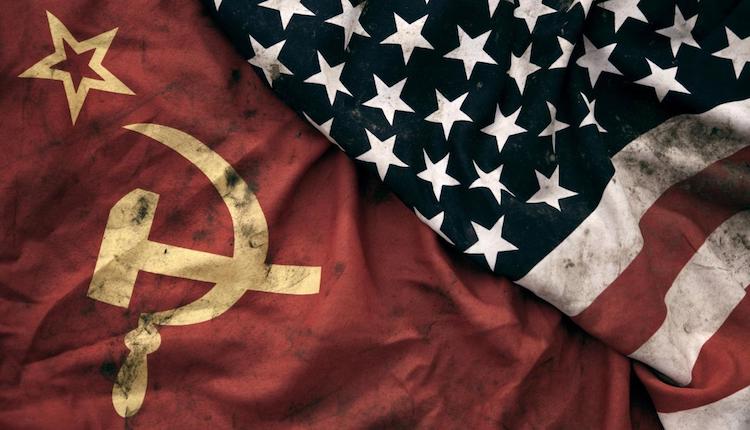
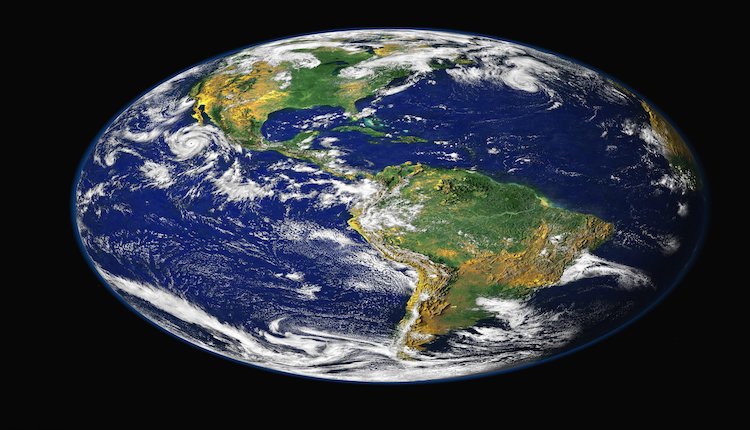
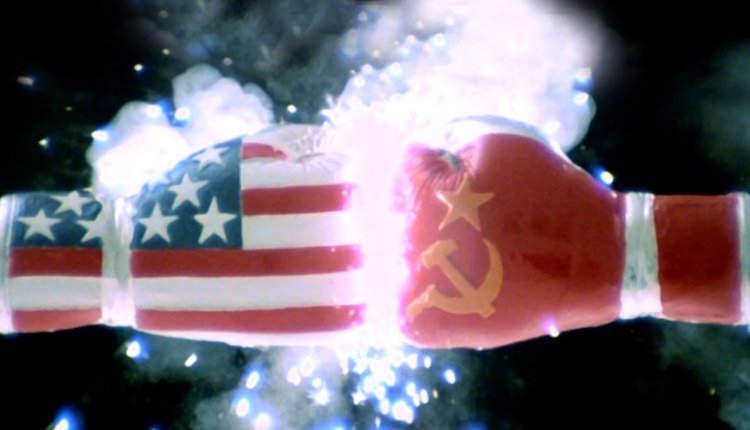
This enquiry acts as an introductory overview to the Cold War unit. It allows your students to work out what the Cold War was and where it happened. It is important to see the big picture before delving deep into the content. As a classic introductory overview your students will look[…]
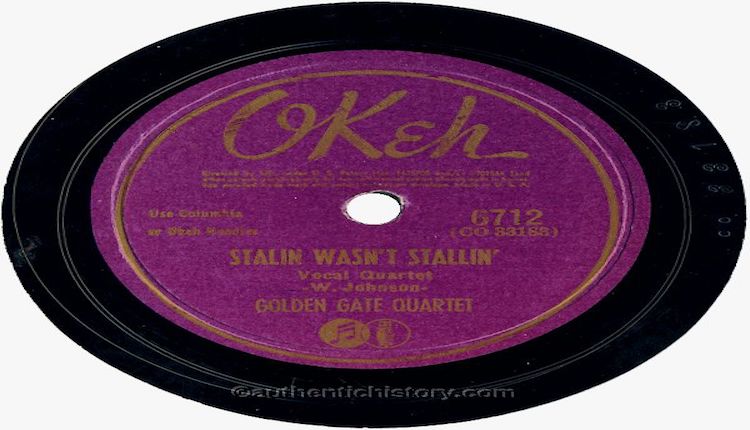
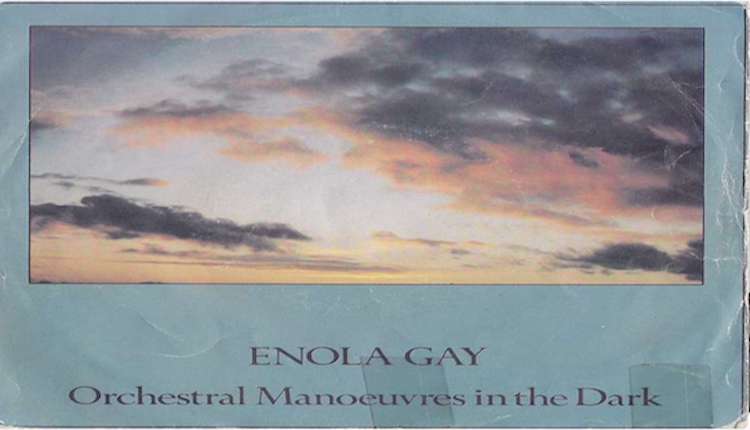
Who really won WW2? Over the past two or three decades Hollywood has led us to believe it is the Americans. However, a song from 1943 seems to give a different view. It is all the more surprising that this song was made in the USA. Can you students work[…]
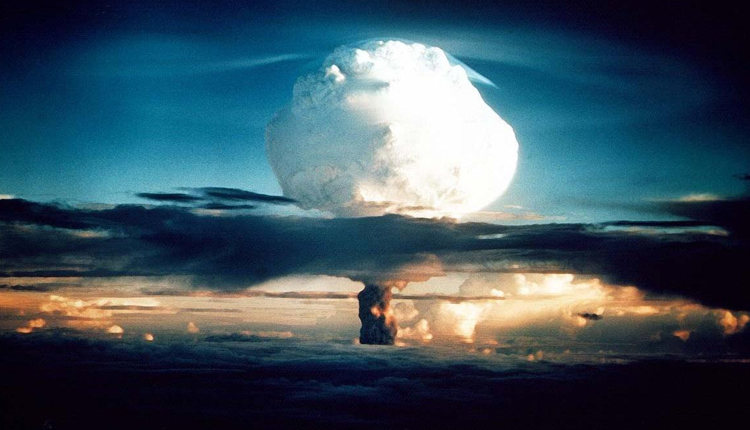
The aim of this enquiry is to allow students to investigate the effect of the dropping the atom bomb on post-war superpower relations. This enquiry enables students to know not just the causes and consequences of the atom bomb (touching on the arms race), but also consider its role in[…]
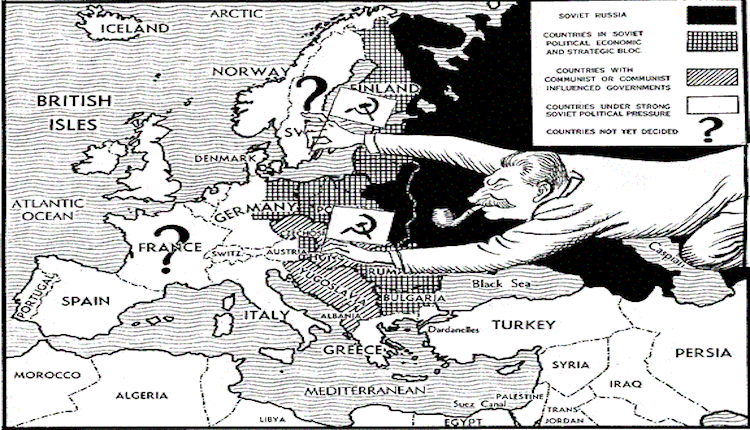
If you are going to get your classes to really understand the Cold War, they need to know how the two sides were diametrically opposed politically and economically. This enquiry does just that. Starting with a classic image of US and Soviet soldiers shaking hands with each other in Berlin[…]
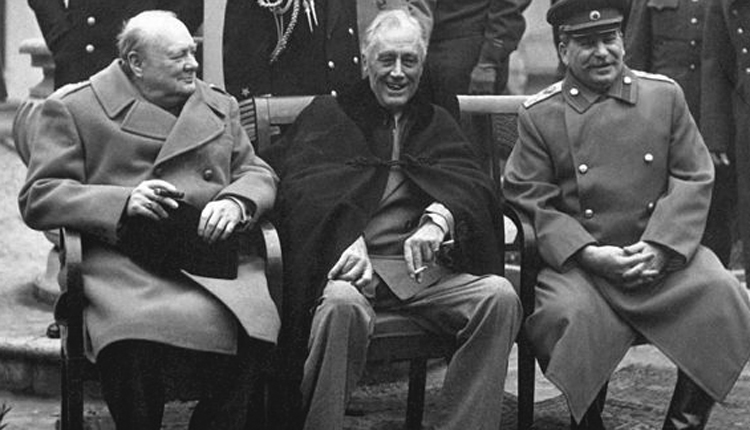
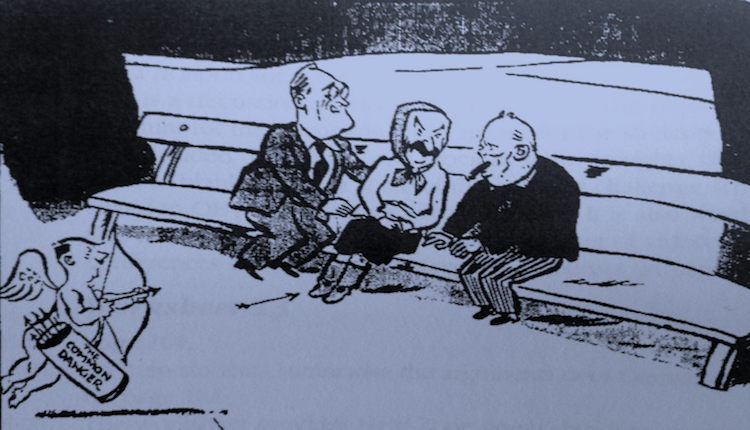
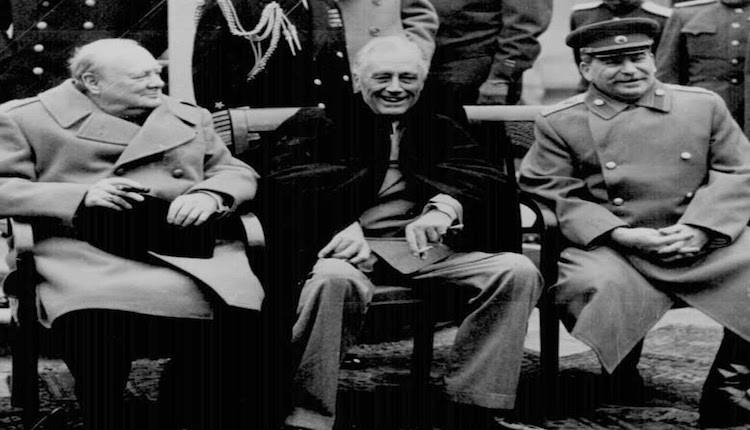
Starting with this famous flirty cartoon of the Big Three and Hitler playing cupid, can your students work out its message with reference to the Tehran Conference? Next they find out what happened at happened at Yalta and Potsdam and learn the fundamental reasons why the Grand Alliance began to[…]
By juxtaposing Churchill’s Iron Curtain Speech with a statement made by Khrushchev in 1971 you will establish two very different views about who did most to develop the Cold War? Who was more important in the development of the Cold War 1945-47 Stalin or Truman? Your students will collect evidence[…]
This quirky enquiry gets your students to use their skill to judge which cartoon from Yalta and Potsdam period deserves to be cartoon of the year. Using criteria from award winning cartoonist Steve Bell (The Guardian) can your students work out the message and apply contextual knowledge to three very[…]
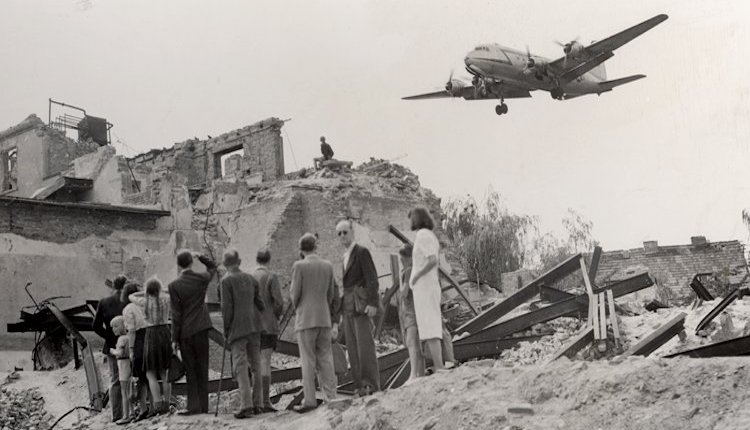
Fake news sites have recently been all over the internet. This enquiry deals with this issue of ‘fake news’ head on. History is the subject that equips students to be fake news detectors. Your class is tasked with evaluating a fake news site about the Berlin Blockade. They need to use[…]
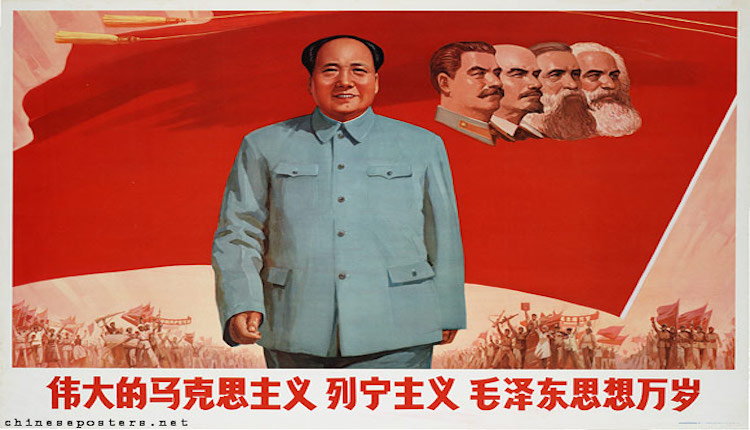
The aim of this enquiry is to allow students identify significant events in Asia during the cold war, particularly understand the changes in Sino-Soviet relations. Some historians now suggest the Sino-Soviet split was one of the biggest turning points in the cold war, equal (if not greater) than the European[…]
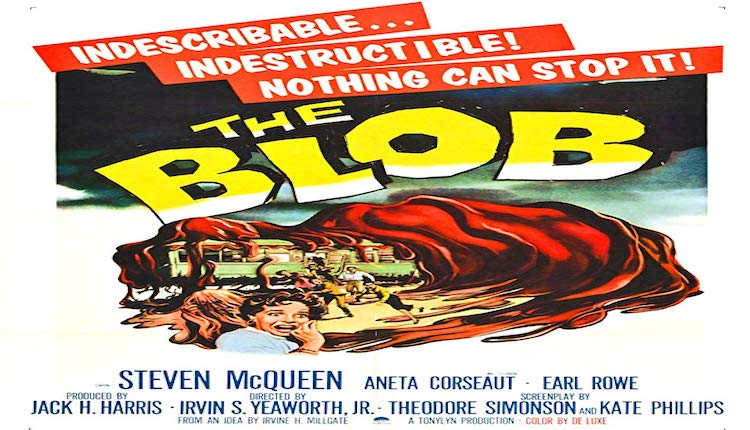
This enquiry gets your students to become 50s B movie film buffs and analyze 4 Sci-Fi classics through the lens of the Cold War. By arming them with knowledge about the Cold War in the first task, you will draw out the four main themes of the conflict from a[…]
The aim of this enquiry is help students understand how the Americans really got involved in the Vietnam War. The USA had been financially supporting the French against communism since the early 1950s, but why did they seriously ramp things up in 1965? You class with act as investigative journalists.[…]
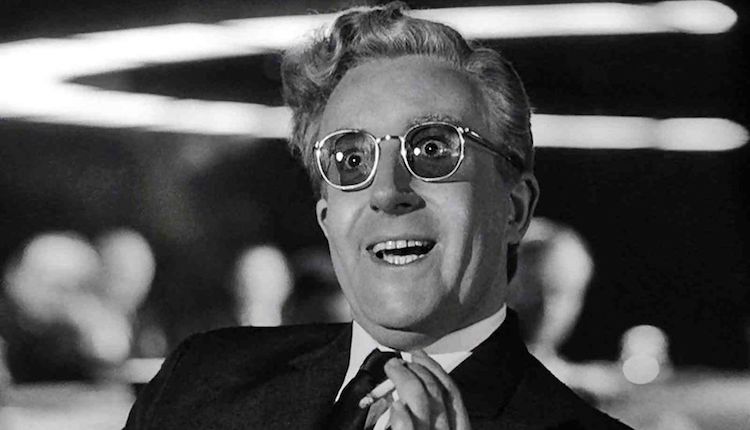
Dr. Strangelove, it is a classic dark comedy film by Stanley Kubrick. It is sometimes introduced to undergrad history degrees to exemplify cold war nuclear rivalry by the 1960s. Eric Schlosser from the New Yorker claimed in 2014 it was all very realistic. Really?! Isn’t it bit of a farce….?[…]
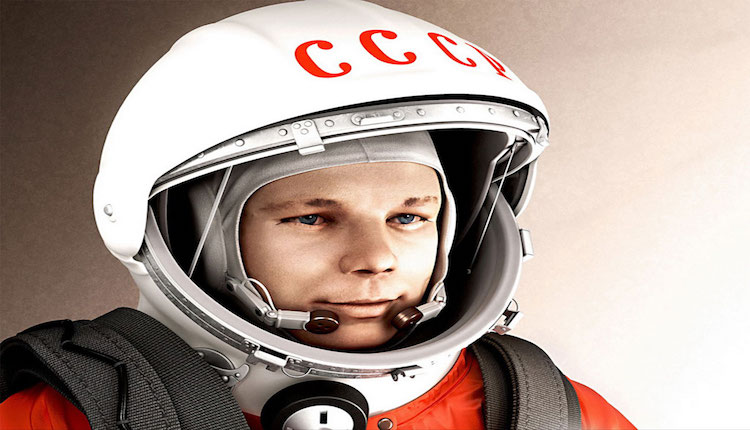
Starting with a quote from the American journalist William Shelton, can your students work out whether or not he was telling the truth about the pattern of the Space Race? And, when they discover that he was exaggerating, can they use their history skills to work out why? This helps[…]
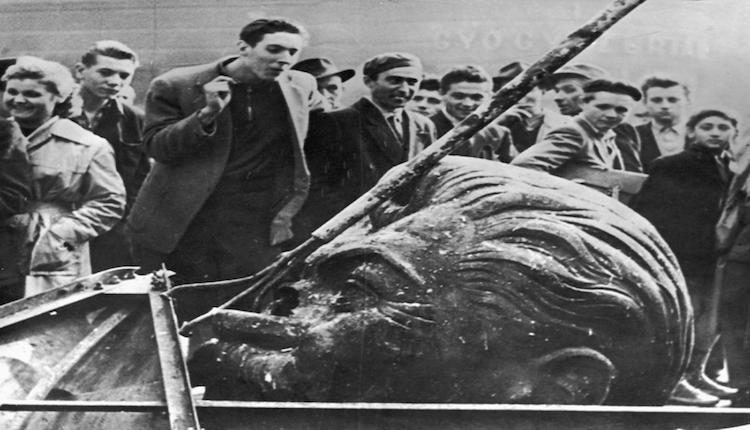
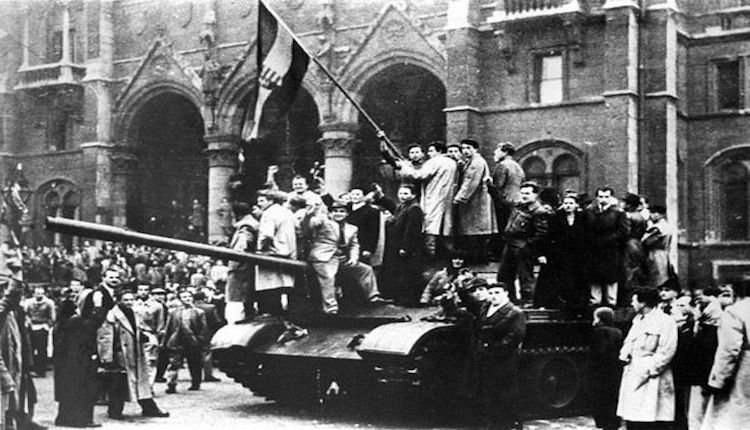
This enquiry will take your students through the events of the Hungarian Uprising firstly, before evaluating the different causes based on how much impact they had on various members of society using a classic Venn diagram. It is important to give the context of the Hungarian uprising before establishing its[…]
This enquiry is intended as the second stage of a two-part lesson sequence about the Hungarian Uprising. It was written to follow the ‘what were the causes of the Hungarian Uprising in 1956’ enquiry. It allows an opportunity for students to recap on their prior learning before evaluating what happened[…]
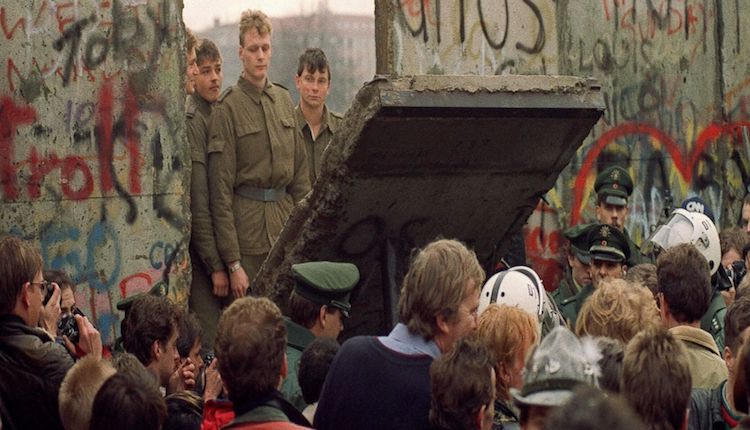
The aim of this enquiry is to have students be able to reach a justifiable conclusion about the reasons behind the building of the Berlin Wall. Students will examine a series of sources and use them to evaluate Khrushchev’s contention that he saw Berlin simply as a means of making[…]
This enquiry places your students in the shoes of researchers for a documentary. The producer is making an hour long documentary about the Berlin Wall. What should the programme show? You students have to work out the story of the wall, then they need to decide how long to spend[…]
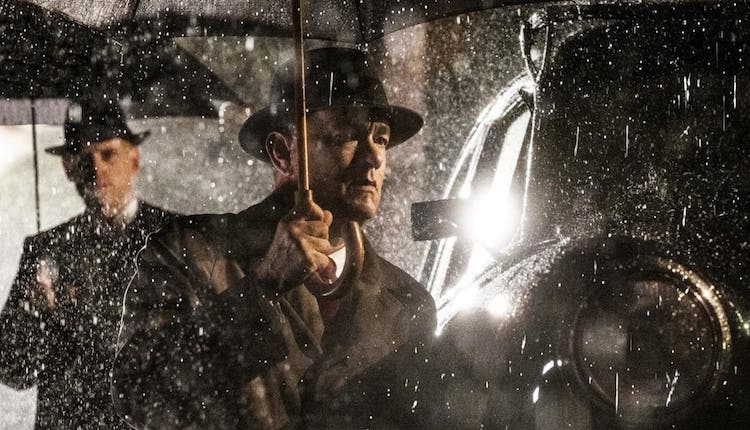
The aim of this enquiry is to get students focussing on the chronology of the cold war. By using a recent film by Steven Spielberg, they will begin to identify his eye for historical accuracy. However, are the audience watching ‘Bridge of Spies’ (2015) aware five years of history is[…]
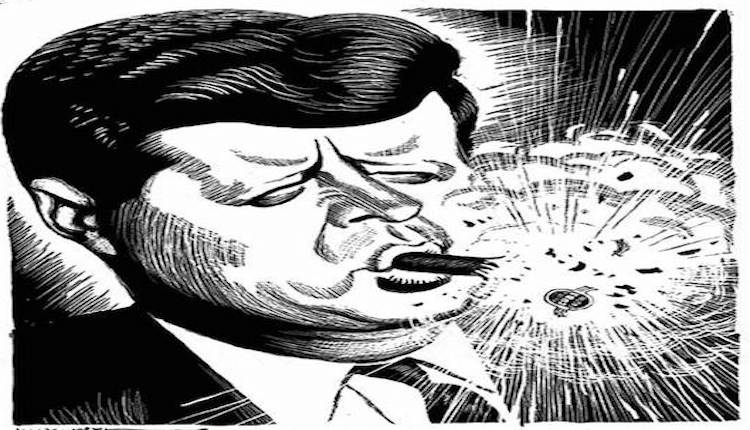
They take on the role as caption writer for the JFK official library. Can your students write the caption for this exploding cigar cartoon? Starting with no knowledge about the cartoon they speculate its meaning. You then build up their knowledge by creating a living graph about the Bay of Pigs[…]
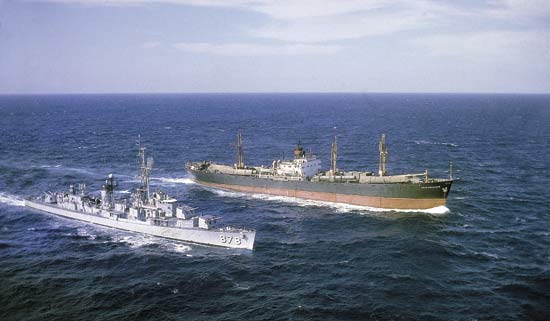
Could you survive Camelot during the Cuban Missiles Crisis? This lesson allows students to investigate the events of the Cuban Missiles Crisis at the height of the Cold War in 1962 by using a decision making activity. This lesson allows students to investigate the events of the Cuban Missiles Crisis[…]
This lesson forms part of a series on the events surrounding Soviet involvement in Cuba. It is expected that by this point students will have studied the events of the Bay of Pigs invasion as well as having completed the decision making activity on the Cuban Missile Crisis. The aim[…]
Was the Cuban Missile Crisis the closest the World ever came to nuclear war? Allow your students to investigate this question using protest songs, desk-top timelines and Geese.
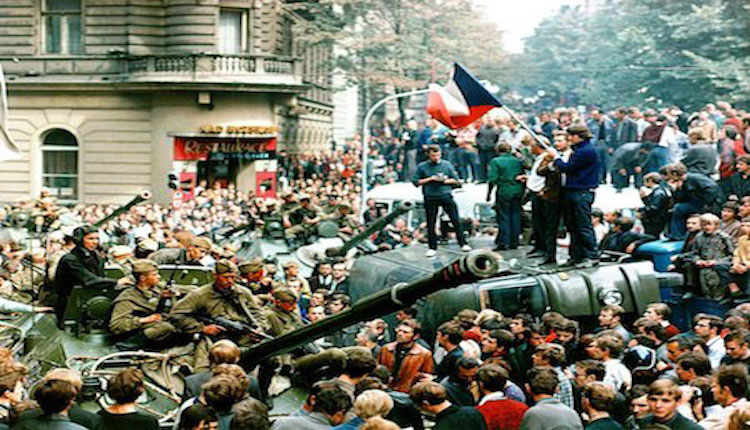
Similarity and difference is a key second order concept. Yet how often do we really teach it? Well, in this enquiry we compare the events of the Prague Spring with the Hungarian Uprising. You start by re-capping / recalling all your class can about Hungary. Next, your students sort out[…]
This enquiry looks at the consequences of the Prague Spring. It should be taught just after the enquiry which compares the the Prague Spring with the Hungarian Uprising and looks for similarities and differences. Your students will recall the events of the uprising, critically evaluate and categorise the aftermath of[…]
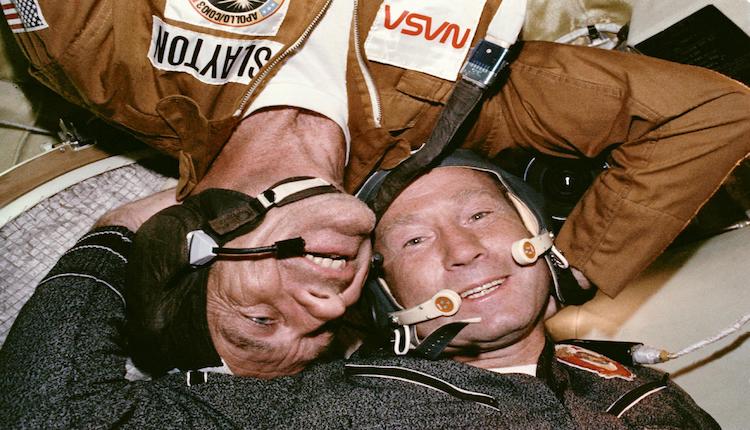
Starting with the historic The Apollo–Soyuz Test Project (ASTP) conducted in July 1975 where USSR and American space men met and worked together, this enquiry covers the détente period of the 1970s while asking students to evaluate the degree to which this was a genuine period of “thaw” in the Cold[…]
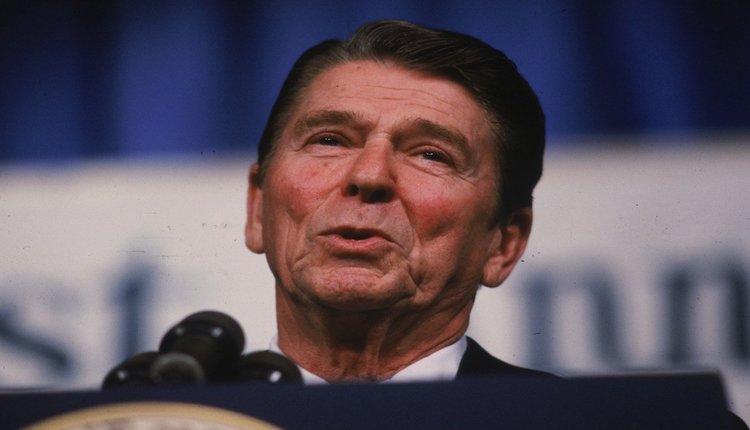
The aim of this enquiry is for students to reach a conclusion about which side was to blame for the so-called Second Cold War- which ended the détente period of the 1970s. Starting with a graph showing US military spending 1950-1990, can your student’s use their knowledge to explain why spending[…]
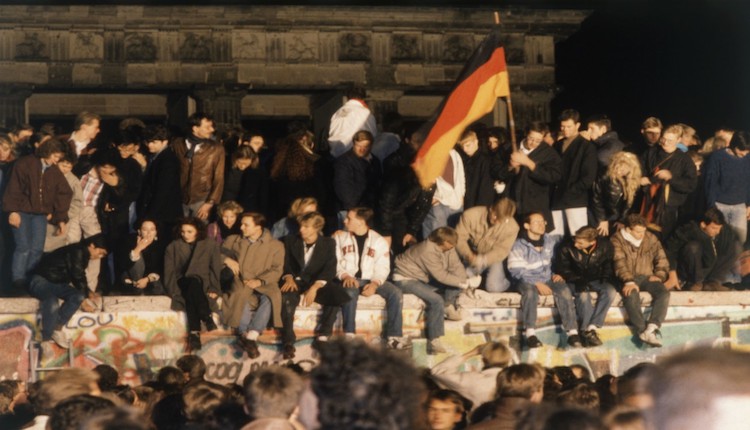
This enquiry uses the classic mystery enquiry approach to work out why the Berlin Wall came down. It requires students to come up with their own ideas and justify them using evidence. The stepped approach also reveals the evidence to them in stages allowing the story of fall of the wall[…]
Mikhail Gorbachev has been viewed in the west as a heroic and bold reformer. But, in Russia many still view Gorbachev with contempt. Was it Gorbachev’s reforms that led to the collapse of the Soviet Union? Was the Soviet Union and its economy so out dilapidated that the collapse of the Soviet Union[…]
You can recommend this post to several users by putting 1 email on each line
We use cookies to ensure that we give you the best experience on our website. If you continue to use this site we will assume that you are happy with it.