This engaging enquiry aims deals with causation brilliantly, and also thereasons for the economic boom in America in the 1920s.
Why was there an economic boom in the 1920s?
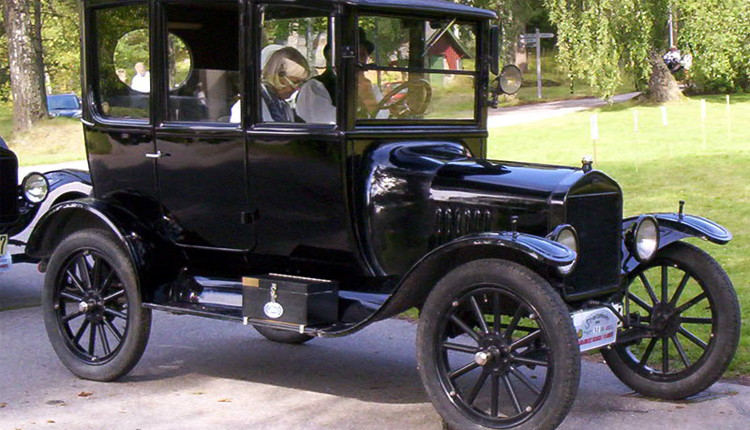

This engaging enquiry aims deals with causation brilliantly, and also thereasons for the economic boom in America in the 1920s.
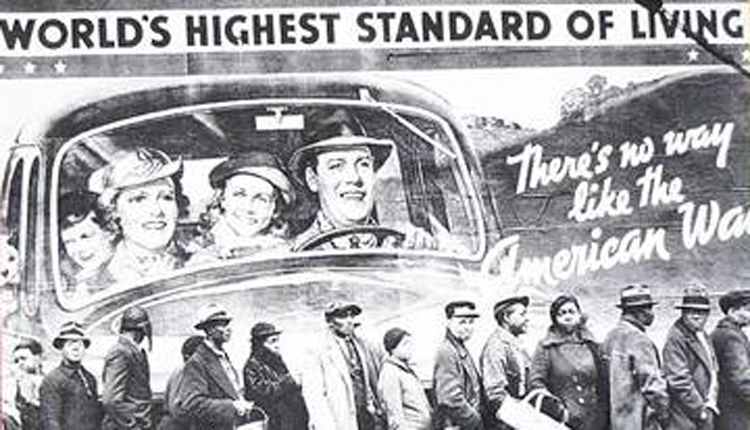
This lesson offers an overview of wealth, poverty and prejudice in 1920’s America by introducing students to a series of historical characters.
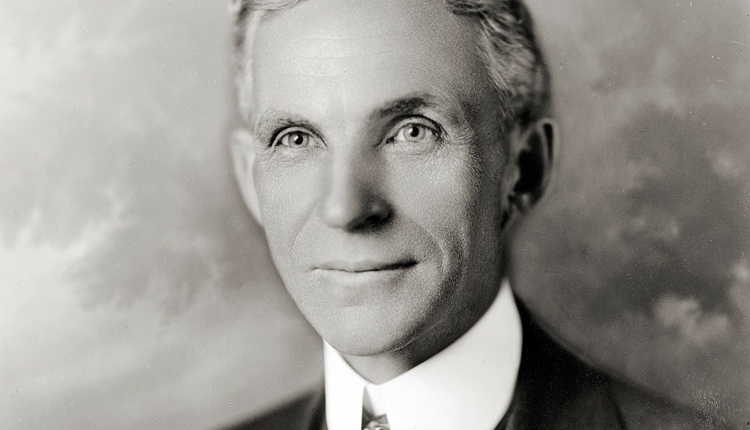
A cracking enquiry looking at the significance of carmaker Henry Ford, great use of video and other easy to use resources. A must for any USA course worth its salt!
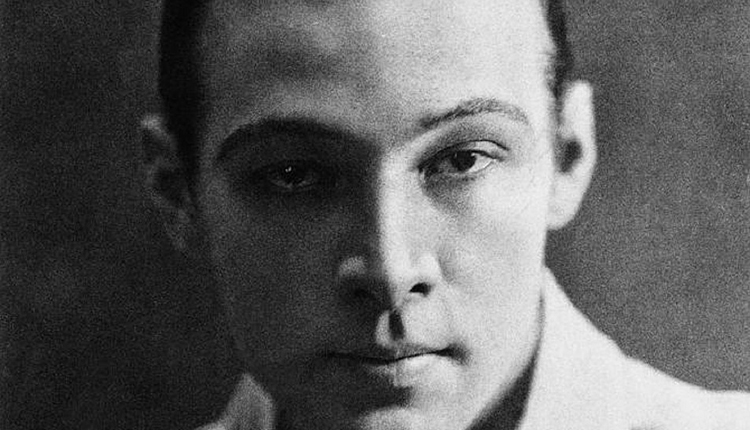
This enquiry allows your students to look at moral issues in 1920’s Hollywood by analysing film clips. Fab!
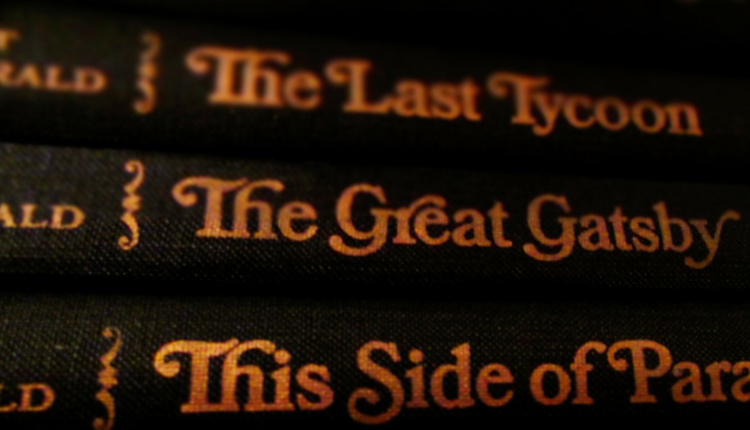
Using the fictional character from The Great Gatsby, can your students use evidence about real women to answer the big question?
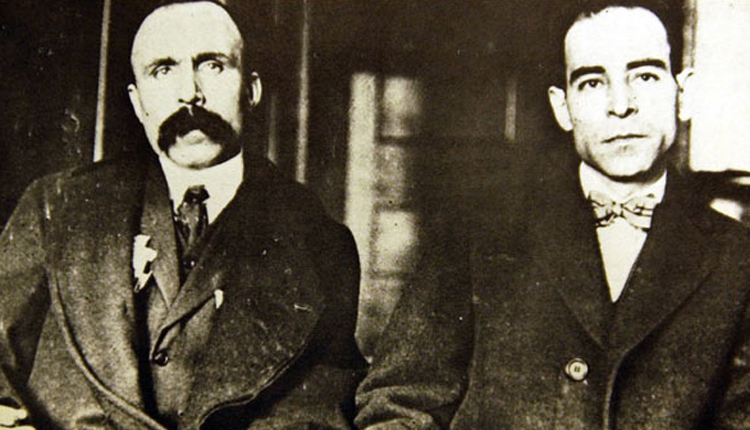
Using a Woody Guthrie song about the two anarchists as a hook, can your students decide for themselves if the two men were guilty?
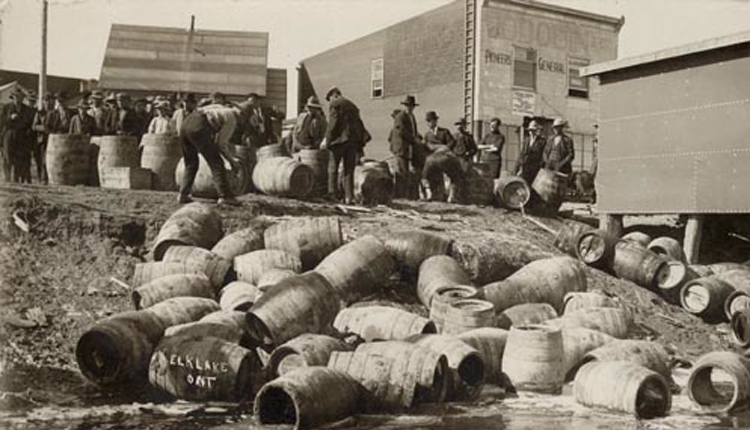
From “Your horse has diabetes” to Al Capone and police corruption, the reasons for the failure of Prohibition are many and varied. The lesson develops and practices key history skills.

Can your students find out what happened to Rosewood village and why? This shocking event is handled with expertise.
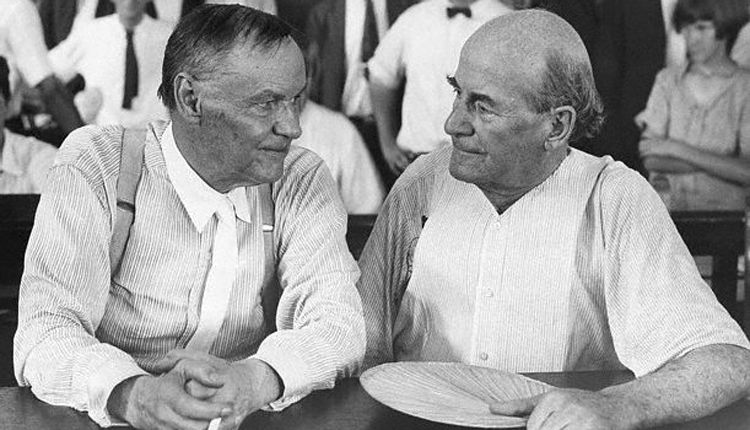
Can your students find out what this famous trial was all about by using visual sources? Simple.
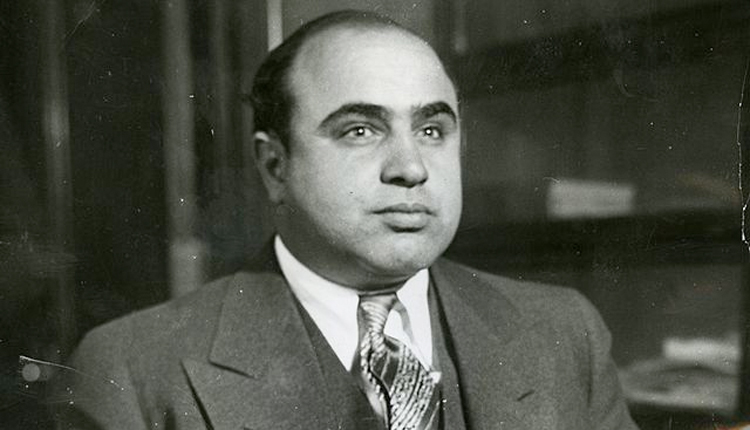
This quirky lessons looks at the career of Capone and considers whether it shows us what the American dream really was.
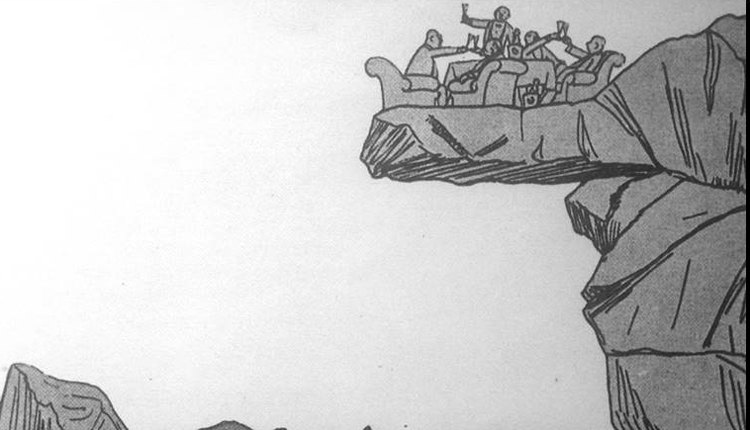
This enquiry looks at the causes for the economic crash of 1929 and depression that followed.
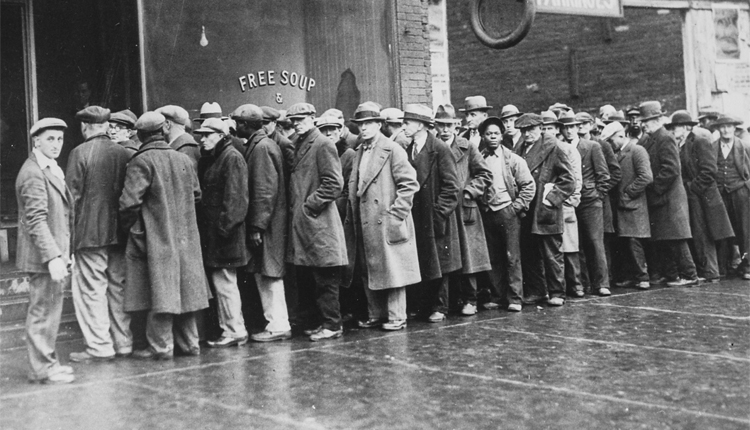
Put a human face on the Depression with boxing and music. The engaging tale of boxer James Braddock asks students to consider Braddock as a metaphor of America 1919-41.
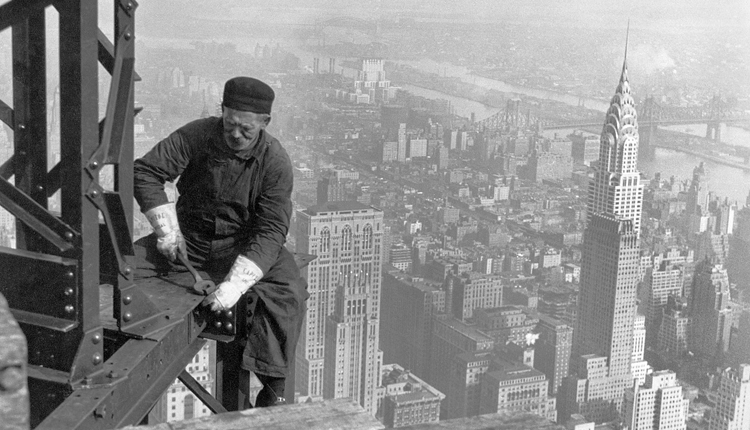
A clever summative lesson which helps your students to re-cap their knowledge of the period and consider the purpose / audience of different book covers. Simple. Effective.
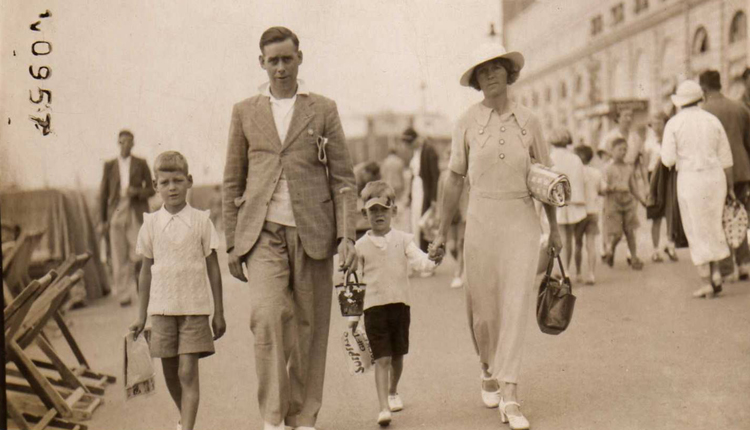
Starting with a personal story – your class will then discover just how complex life was for different groups in the 30s. Can they decide which historians’ book title gives the best view?
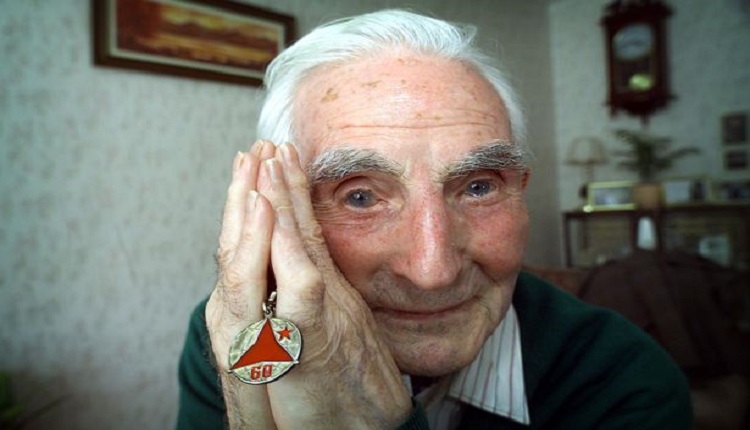
This enquiry asks students to use a range of evidence to work out why Glasgow native, James Maley made the decision to go and fight in the Spanish Civil War? Starting with a scene of the crowd at Glasgow Celtic, can your students use their historical enquiry skills to work[…]
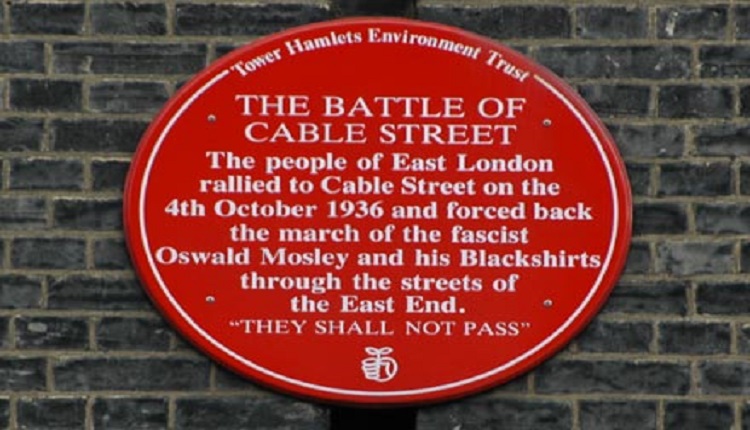
This enquiry asks students to use a range of evidence to work out what happened at the infamous battle of Cable Street. Starting with an old photograph, what do they think happened on this street in the East End of London? Does a song help? After establishing that Cable Street[…]
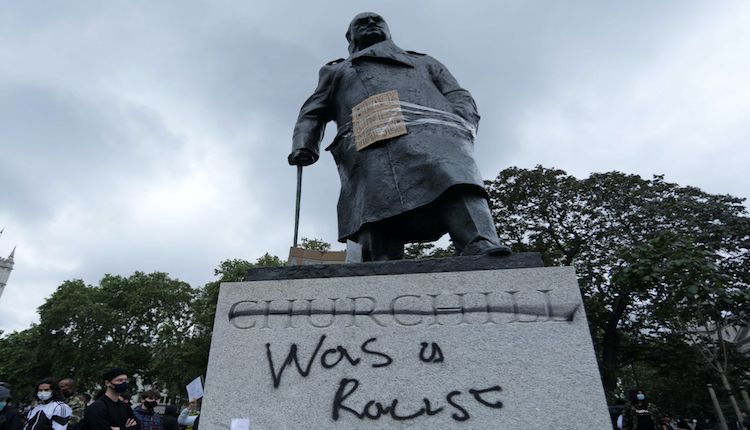
Winston Churchill is a very contentious figure. Many in Britain remember him as the man who led the country to victory against the Nazis. However, in other colonial countries, Churchill is viewed very differently. This digital enquiry gets to the very heart of this debate. It looks at Churchill’s relationship[…]
Download our entire Germany 1918-45 course. It is fully resourced and includes 27 tried and tested key enquiries proven to inspire and challenge your GCSE classes.

It is fully resourced and includes 14 key enquiries designed to inspire and challenge your GCSE classes. This tried and tested approach includes lesson presentations, plans and resources.
Download our coherent Germany 1933-45 package. It is fully resourced and includes 13 key enquiries designed to inspire and challenge your GCSE classes. This tried and tested approach includes lesson presentations, plans and resources.
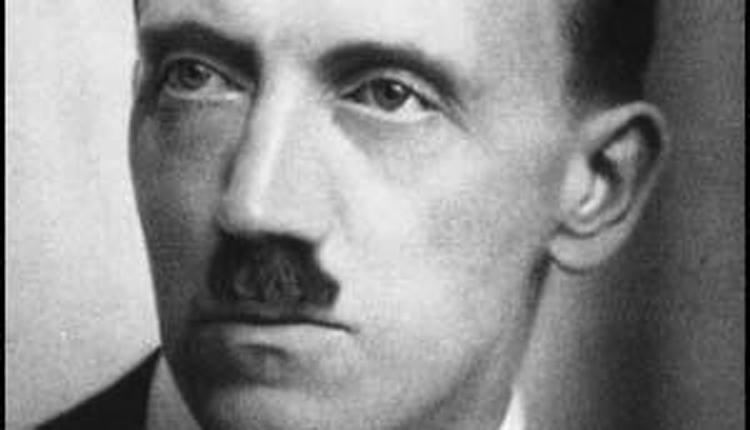
Leading Nazis believed Hitler was destined to rule. Were they right? This engaging lesson briefly compares Hitler’s life with Germany’s fortunes to 1933. Can your pupils explain the relationship?
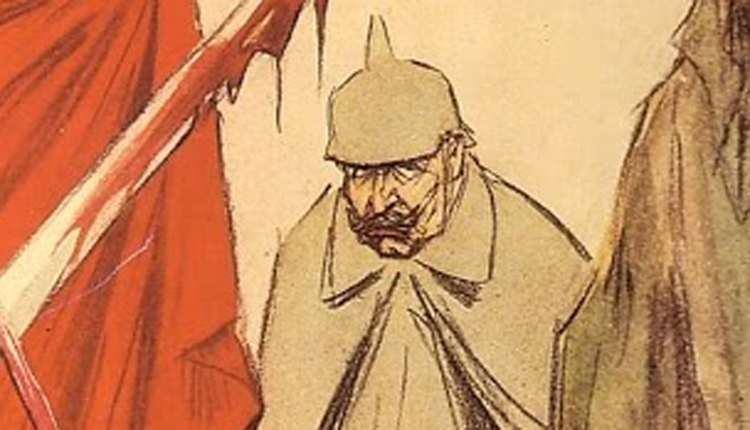
This enquiry gets your students to work out for themselves the date, content, origin and purpose of a visual source.
Can your class work out why The Kaiser looks so sheepish in this cartoon? They will overview 1870-1918, work out the message of the image and date the cartoon too.
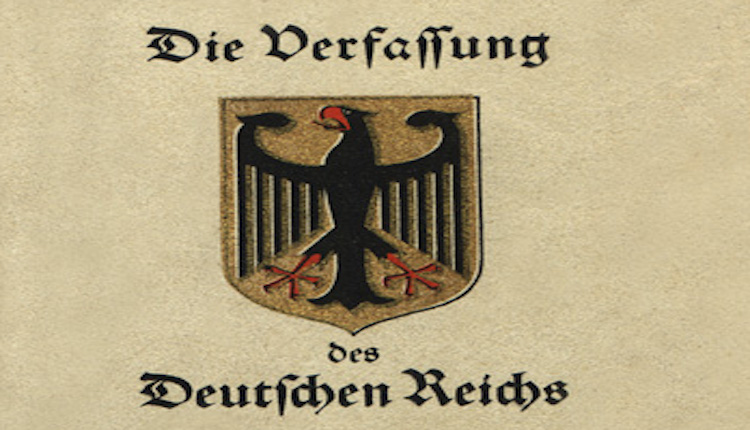
This lesson helps your students learn about Germany’s brave attempt to set up a genuine democratic government. Your class will discover how the government worked, learn key concepts and evaluate the strengths and weaknesses of this new Weimar constitution. This will put in place one of the big learning building[…]
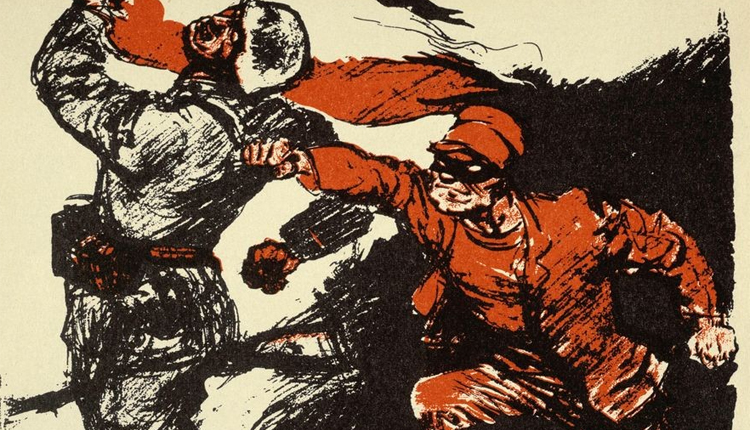
Can your class use their historical skills to explain the message of this famous stabbed in the back leaflet… written in German?! This task helps show just how useful history is – it makes your kids smart enough not to have to always understand a foreign language to work out the meaning of political leaflets, posters and other forms of advertising.
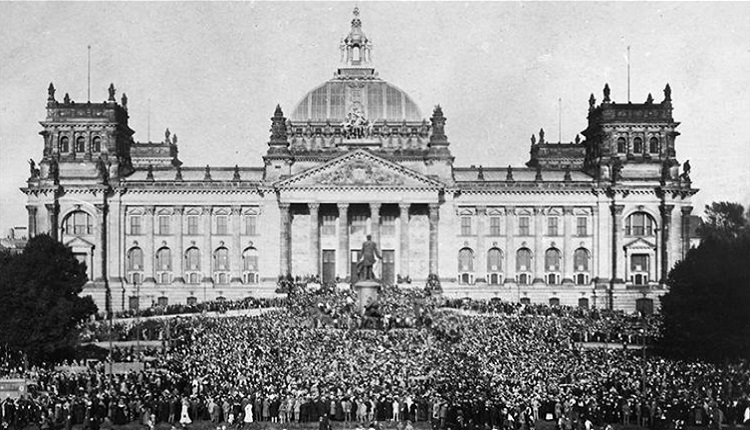
This enquiry focuses evaluating an historical interpretation. Just how good is Anthony Lentin’s article in History Today on the Treaty of Versailles? We use this photograph of tens of thousands of Germans outside the Reichstag in 1919. Why had they gathered? Next we look at a short film clip to establish what[…]
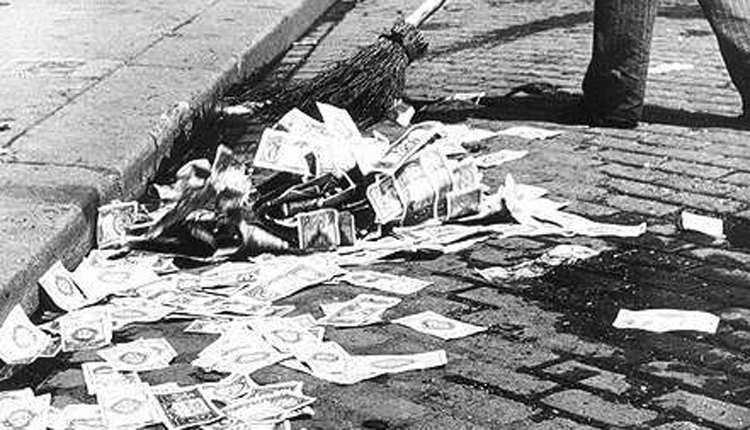
This new asks your students to work out what Sebastian Haffner, a young man from the time said living in 1923 was like. Can your students work out what happened in the fateful year? Using a mystery approach what do 4 images show? Can they work it out by looking[…]
Help your students overcome the eternal problem of how to unlock the message of a source. This lesson shows secrets of exam success in an engaging way.
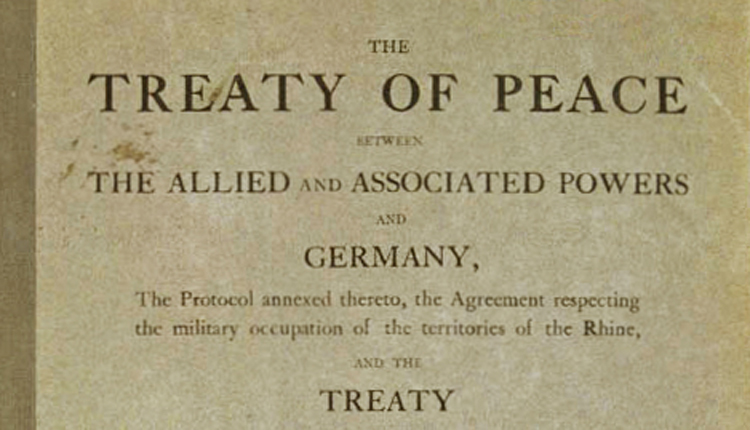
This enquiry arms your students with key knowledge about the Treaty. Can they do better than an historian in terms of substance and style?
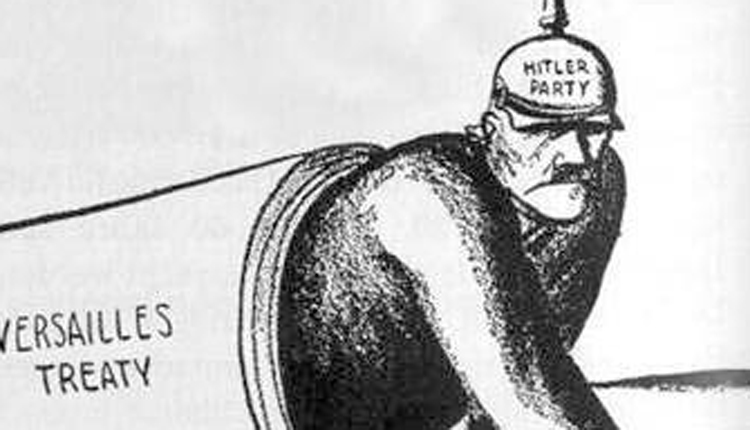
This clever summative lesson asks students to use their key knowledge to evaluate and improve a short documentary?
