A clever summative lesson which helps your students to re-cap their knowledge of the period and consider the purpose / audience of different book covers. Simple. Effective.
What should go on the cover of a book about USA 1919-41?
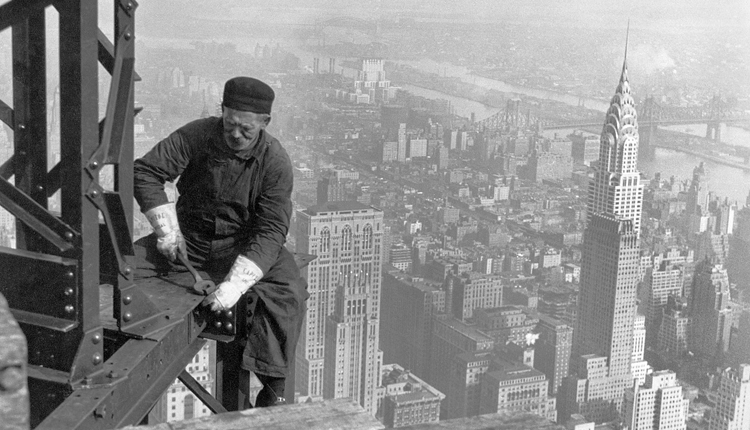

A clever summative lesson which helps your students to re-cap their knowledge of the period and consider the purpose / audience of different book covers. Simple. Effective.
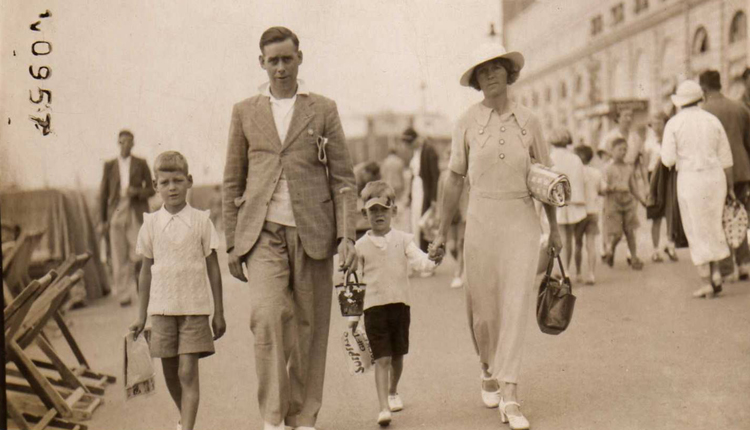
Starting with a personal story – your class will then discover just how complex life was for different groups in the 30s. Can they decide which historians’ book title gives the best view?
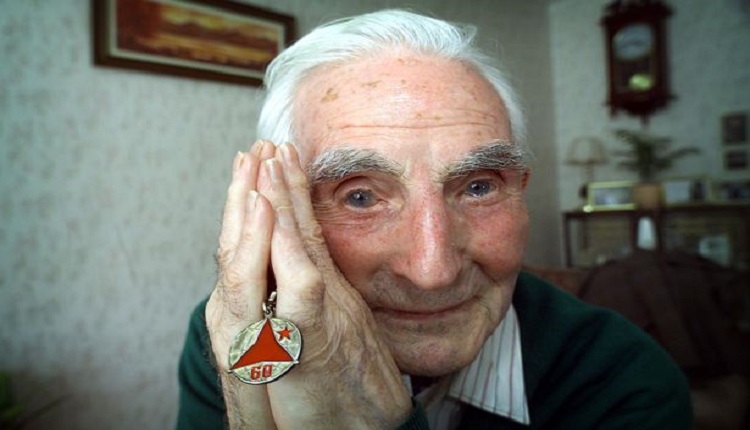
This enquiry asks students to use a range of evidence to work out why Glasgow native, James Maley made the decision to go and fight in the Spanish Civil War? Starting with a scene of the crowd at Glasgow Celtic, can your students use their historical enquiry skills to work[…]
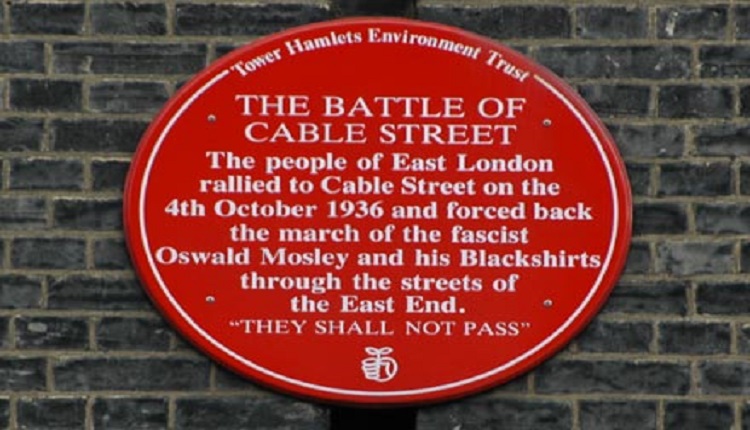
This enquiry asks students to use a range of evidence to work out what happened at the infamous battle of Cable Street. Starting with an old photograph, what do they think happened on this street in the East End of London? Does a song help? After establishing that Cable Street[…]
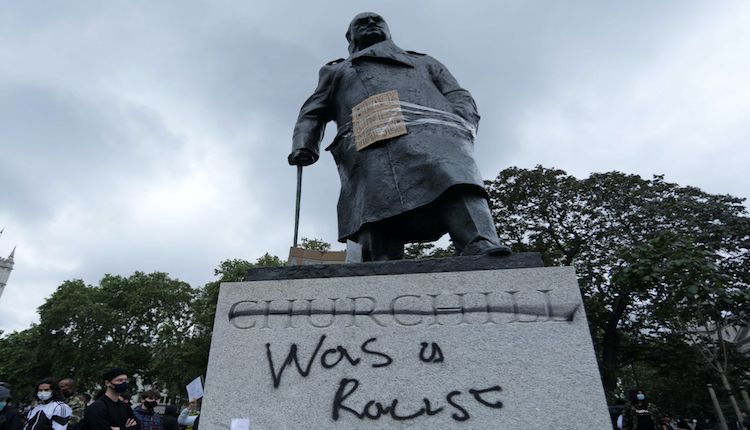
Winston Churchill is a very contentious figure. Many in Britain remember him as the man who led the country to victory against the Nazis. However, in other colonial countries, Churchill is viewed very differently. This digital enquiry gets to the very heart of this debate. It looks at Churchill’s relationship[…]
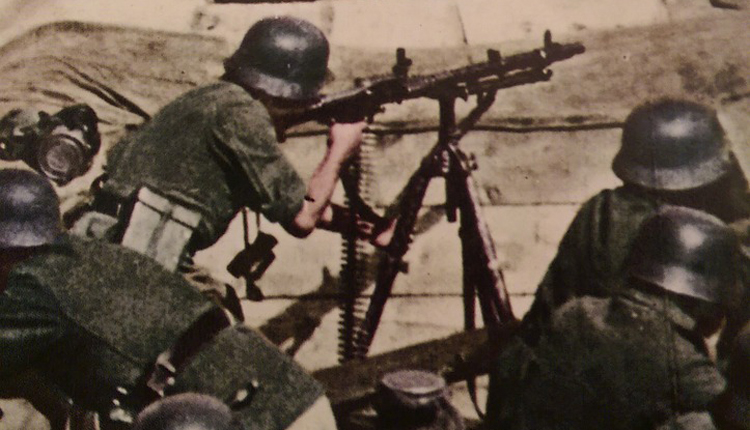
Download our entire Germany 1918-45 course. It is fully resourced and includes 27 tried and tested key enquiries proven to inspire and challenge your GCSE classes.

It is fully resourced and includes 14 key enquiries designed to inspire and challenge your GCSE classes. This tried and tested approach includes lesson presentations, plans and resources.
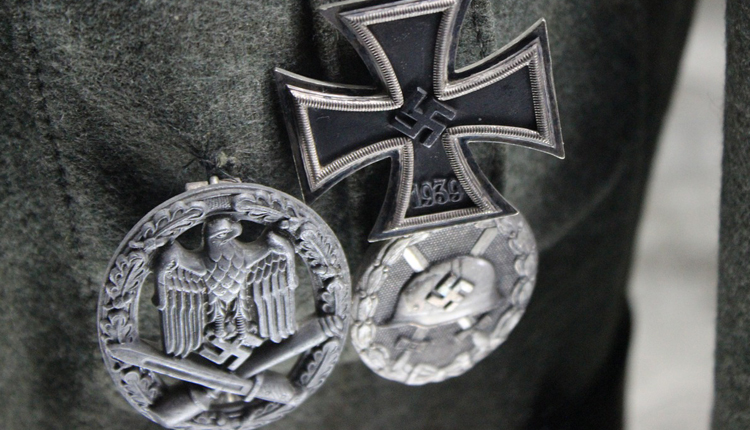
Download our coherent Germany 1933-45 package. It is fully resourced and includes 13 key enquiries designed to inspire and challenge your GCSE classes. This tried and tested approach includes lesson presentations, plans and resources.
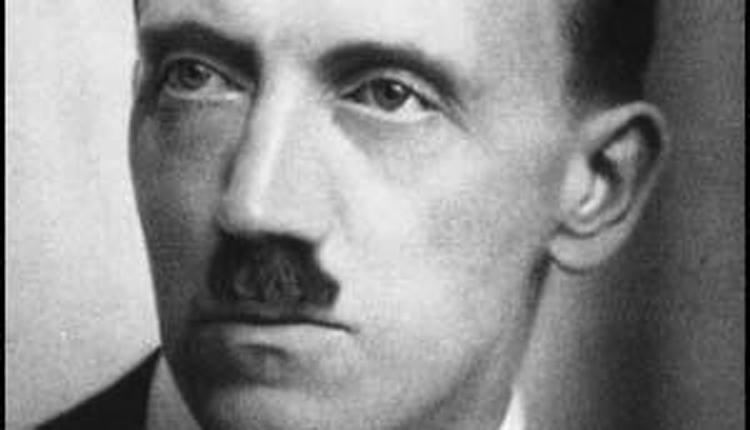
Leading Nazis believed Hitler was destined to rule. Were they right? This engaging lesson briefly compares Hitler’s life with Germany’s fortunes to 1933. Can your pupils explain the relationship?
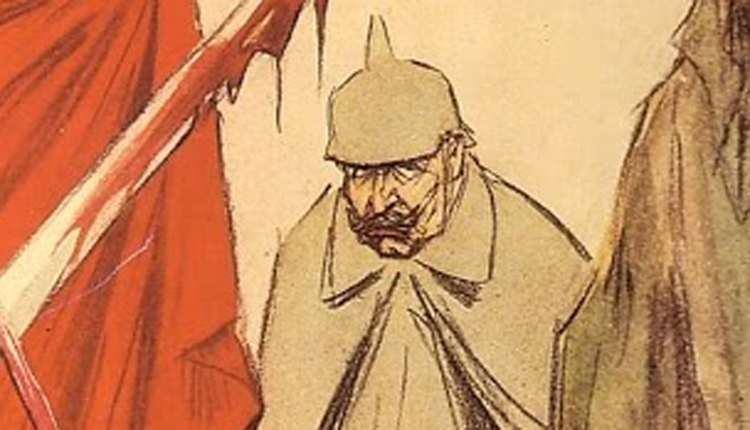
This enquiry gets your students to work out for themselves the date, content, origin and purpose of a visual source.
Can your class work out why The Kaiser looks so sheepish in this cartoon? They will overview 1870-1918, work out the message of the image and date the cartoon too.

This lesson helps your students learn about Germany’s brave attempt to set up a genuine democratic government. Your class will discover how the government worked, learn key concepts and evaluate the strengths and weaknesses of this new Weimar constitution. This will put in place one of the big learning building[…]
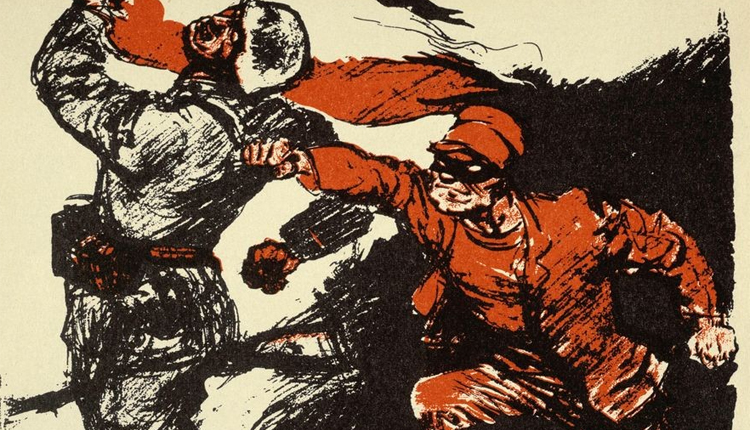
Can your class use their historical skills to explain the message of this famous stabbed in the back leaflet… written in German?! This task helps show just how useful history is – it makes your kids smart enough not to have to always understand a foreign language to work out the meaning of political leaflets, posters and other forms of advertising.
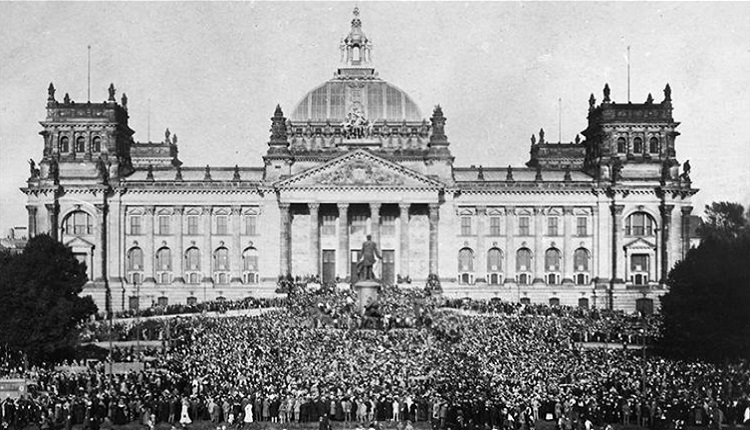
This enquiry focuses evaluating an historical interpretation. Just how good is Anthony Lentin’s article in History Today on the Treaty of Versailles? We use this photograph of tens of thousands of Germans outside the Reichstag in 1919. Why had they gathered? Next we look at a short film clip to establish what[…]
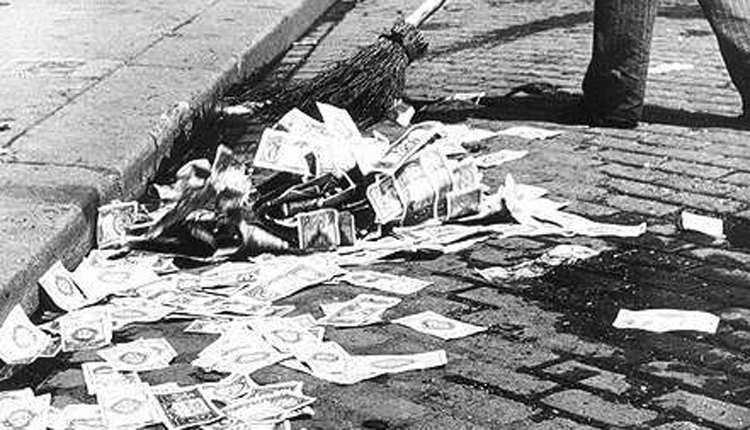
This new asks your students to work out what Sebastian Haffner, a young man from the time said living in 1923 was like. Can your students work out what happened in the fateful year? Using a mystery approach what do 4 images show? Can they work it out by looking[…]
Help your students overcome the eternal problem of how to unlock the message of a source. This lesson shows secrets of exam success in an engaging way.
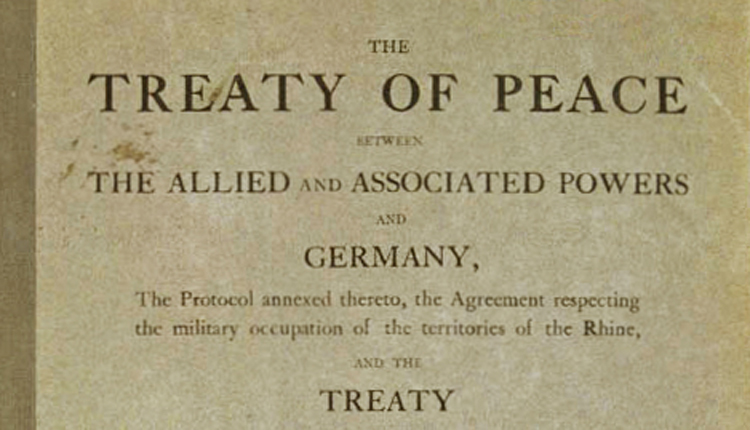
This enquiry arms your students with key knowledge about the Treaty. Can they do better than an historian in terms of substance and style?
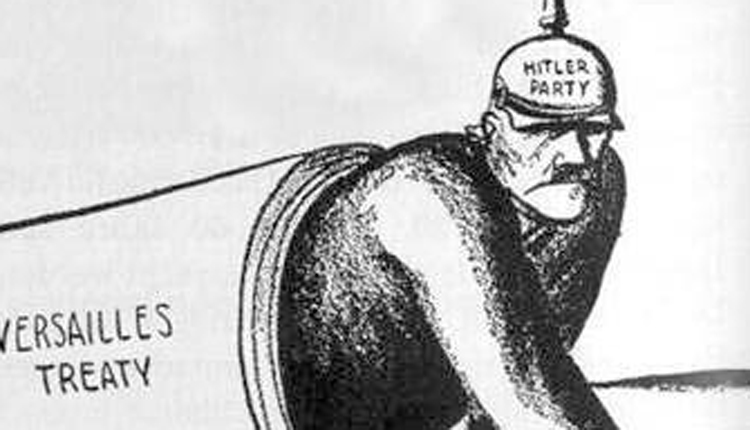
This clever summative lesson asks students to use their key knowledge to evaluate and improve a short documentary?
This enquiry confronts your students with a young German’s view about the significance of 1923 ? Can they use different sources to work out why 1923 was so bad?
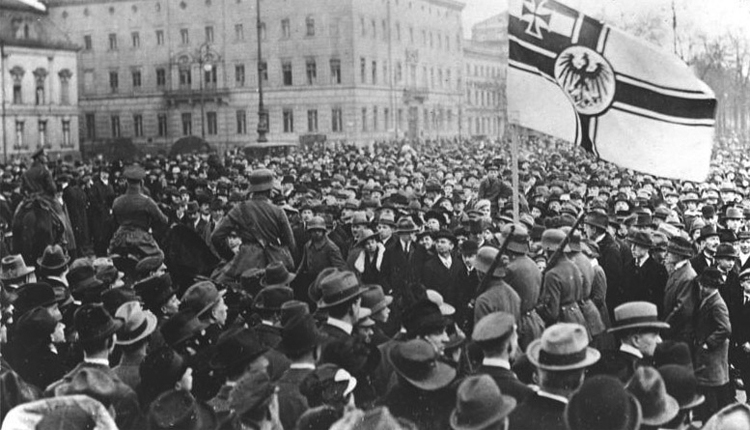
This enquiry shows your students the value of history. Acting as historical adviser to a film producer, exactly how should a programme about 19-23 be structured?
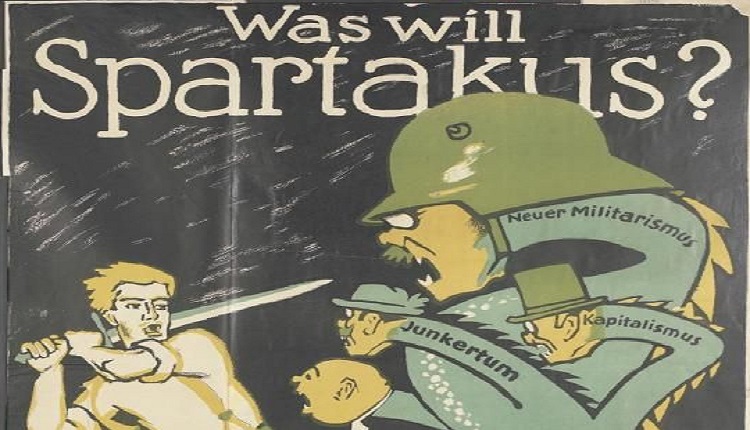
This summative enquiry acts as device to pull together all of the learning your students have undertaken about Germany 1919-23 (over the last 5 enquiries). They often find this kind of recall hard, so we have helped with a graffiti and striking images. You ask them to remember all they[…]
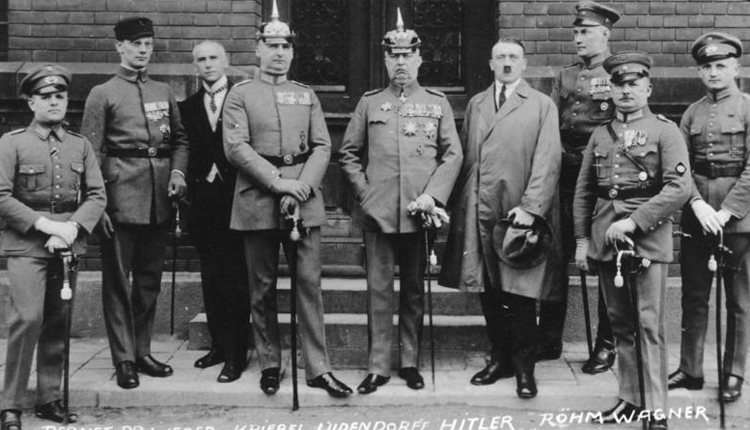
This active enquiry acts as a mini depth study on the Munich Putsch. You have already covered the Putsch in the threats lesson. This approach requires your students to compete against each other whilst they gather then classify different information. Can they beat their rivals? Then they evaluate the short[…]

Can your kids predict how a leader of a new Party might gain more members then work out from the Nazi 25 point plan who they were really appealing to? But deep down were they Nationalist or Socialist? First you ask your students to think how they would they try[…]
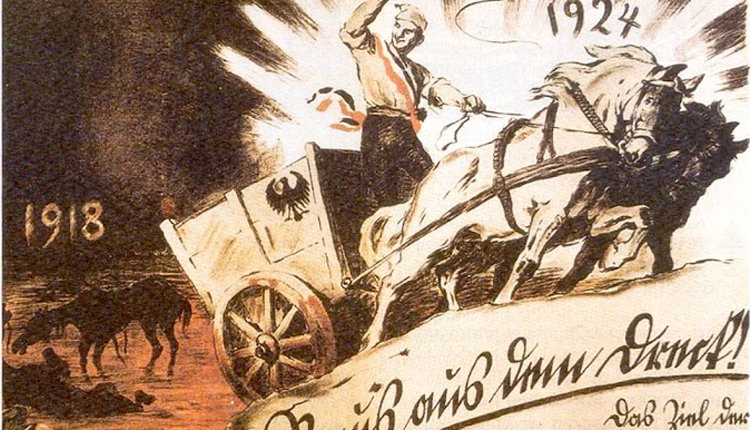
Help your students realise the potential of knowledge and think creatively. Can they unlock the messages of this election poster from 1924? Can they improve the design?
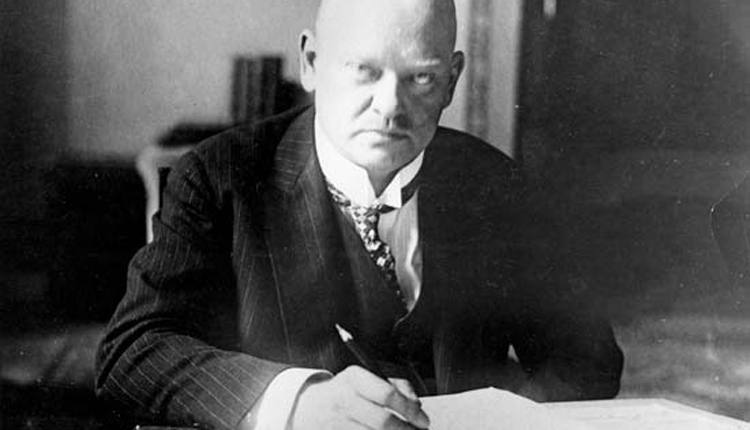
Arm you students with the knowledge to critically analyse a ‘revision film’ about Gustav Stresemann.
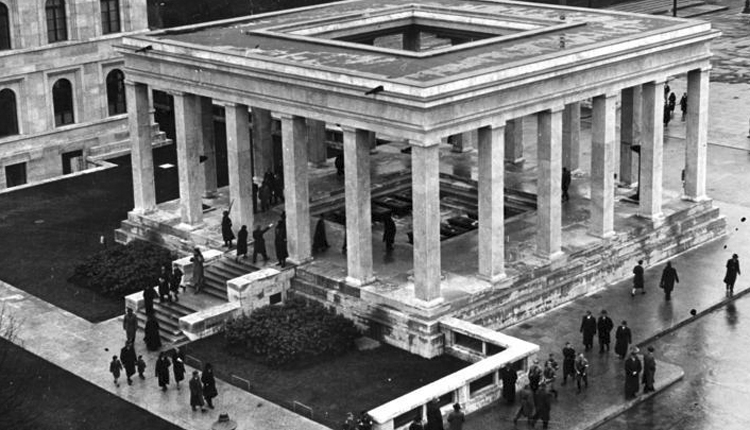
Help your students get over the perennial problem of believing websites to tell the truth. This enquiry helps your students cross-reference for a real purpose.
Help your students dive deeper with their understanding. How far the Nazis really changed tactics post ’24? They will soon see that the answer isn’t black and white, it’s quite murky.
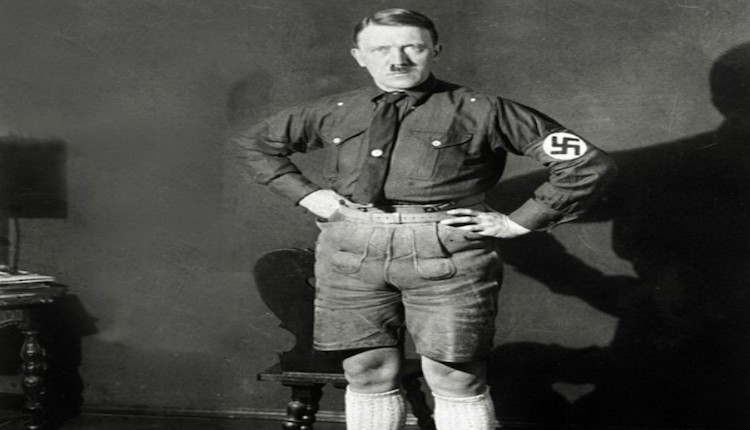
This short enquiry asks your students to work out how the Nazis changed tactics and find out about the relative success of these new ‘legal’ tactics. They will meet and listen to four characters to establish the reasons why these individuals did not vote for the Nazi Party in the[…]
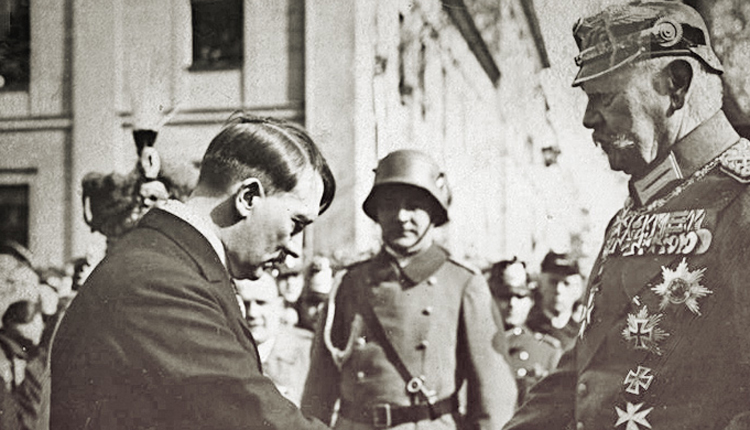
This enquiry unlocks the secrets of GCSE success. It shows students how to recall reasons, helps them to sort, classify and prioritise before explicitly modelling excellent explanatory writing.

Can your students work out why Hitler became Chancellor? They will work it out for themselves before looking at two contrasting interpretations.
