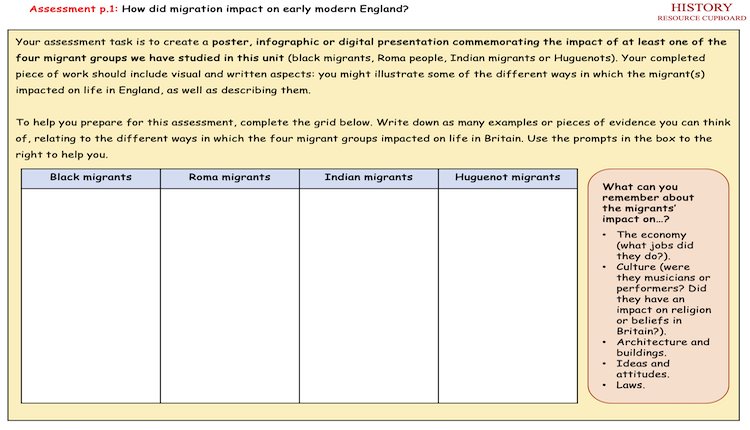
This assessment focuses on the concept of consequences. The assessment task is to create a poster, infographic or digital presentation commemorating the impact of at least one of the four migrant groups we have studied in this unit (black migrants, Roma people, Indian migrants or Huguenots). Students’ completed piece of[…]
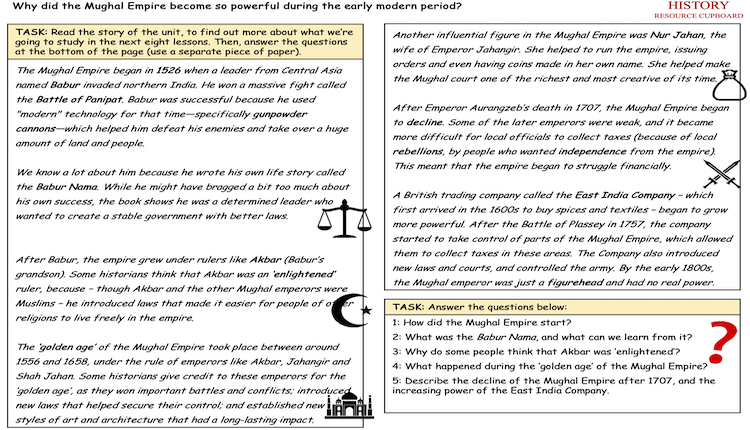
Here is the big story of this unit which introduces your students to the Mughal Empire. It asks them: Why did the Mughal Empire become so powerful during the early modern period? Join for free here as a basic member to access this resource. Basic membership also gives you access[…]
Here you can download the knowledge organiser for the year 8 unit on the Mughal Empire. Join for free here as a basic member to access this resource. Basic membership also gives you access to 60 plus fully planned lessons and free resources. This is part of the HRC Year[…]
This lesson focuses on the Mughal Empire’s origins. It considers the role of Babur in firstly winning a key battle, and then introducing new systems and laws to help consolidate control. It takes one key source as its focus: the Babur Nama, an autobiographical work partly written by Babur himself.[…]
This lesson builds on students’ work in the previous lesson, where they were introduced to Babur and the Mughal Empire for the first time. Here you give them the opportunity to delve deeper into Babur’s actual rule as emperor. Students are presented with two contrasting interpretations of Babur. It is[…]
This lesson is centred around a traditionally-held view of Akbar, the third Mughal Empire. Was he ‘enlightened’, and displayed the characteristics of tolerance and open-mindedness. Students are first asked to consider what ‘enlightenment’ means, and this tricky concept is made familiar through examples of modern-day ‘enlightened’ individuals (Malala, Nelson Mandela[…]
This lesson is based on a unique format. Students take part in an awards ceremony, determining which Mughal leaders are most deserving of four different awards: Best Builder, Most Tolerant Ruler, Cultural Development Award, and Most Overrated Ruler. First, they read and research four nominees in each category. Next they[…]
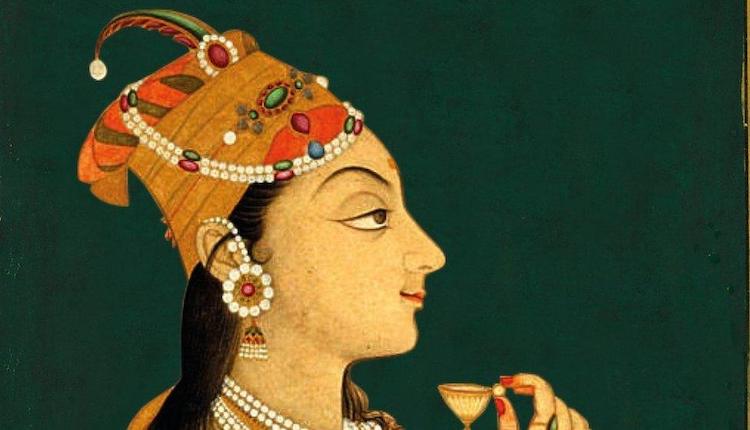
This lesson focuses on one of the most well-known and formidable women of the Mughal Empire: Nur Jahan, wife of Emperor Jahangir. Students are invited to consider their positioning (and the positioning of various modern-day ‘characters’) within a modern-day debate: should Nur Jahan’s tomb be restored? Is it worth the[…]
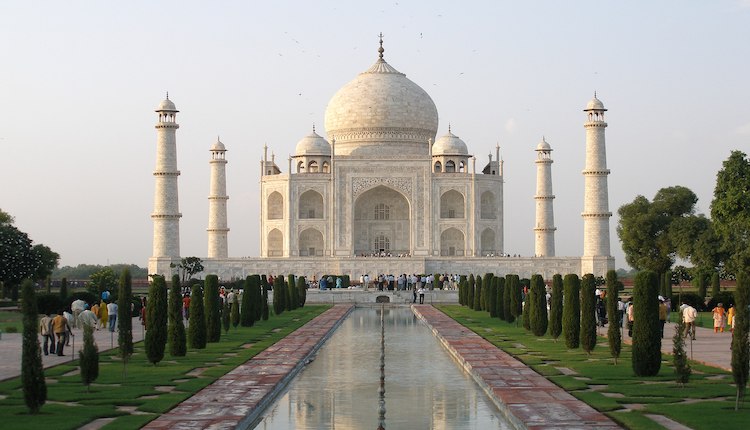
In this lesson, the focus moves away from the Mughal emperors themselves, and towards one of the most famous pieces of architecture in the world: the Taj Mahal. Students are first challenged to identify some of the building’s key features, labelling their own copies of the Taj Mahal. Next, they[…]
This lesson focuses on some high-level causation work. Its format – based on a ‘Top Trumps’ game – is engaging, and doesn’t require a great deal of writing. Students are given a set of Top Trumps cards (each describing a cause for the empire’s decline). They must work as a[…]
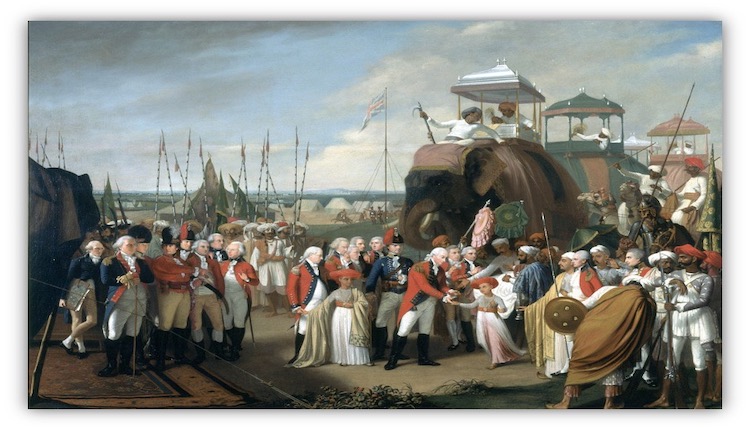
This lesson focuses on the historical skill of change/continuity. Students ‘meet’ a series of characters, representing people whose lives were impacted in different ways by the arrival of the East India Company in the 1700s. They are challenged to identify specific changes that were experienced by a zamindar (landlord); a[…]
Download this free substantive knowledge test for the Mughal Empire Unit. To access this end of unit knowledge test – just sign up as basic member. It tests your students’ core knowledge from this unit including substantive concepts as well as general facts. The second page shows you the teacher[…]
This assessment focuses on the concept of causation and it is heavy on substantive knowledge too. The assessment task is to create scenes for a short documentary called ‘ The Power of the Mughal Empire.’ Students’ choose images for their scenes and briefly describe them considering how and why the[…]
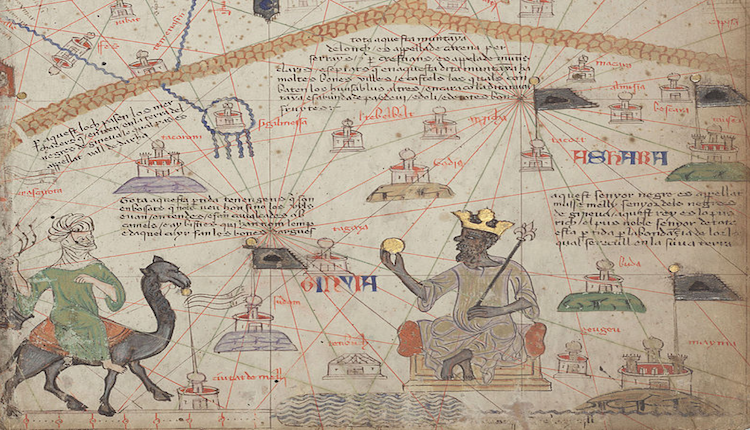
Written by Elena Stevens, this knowledge-rich wider world unit focuses on the history of Africa between circa 1000-1900. 7 of the enquiries take The Kingdom of Benin as a case study. They explore its history through a combination of primary evidence, a keen focus on interesting historical interpretations and other[…]
This enquiry shows students how historical interpretations can be examined, critiqued and challenged. Taking the interpretation of writer Amie Jane Leavitt – who suggests that Benin’s ‘golden age’ was initiated by Oba Ewuare in the 15th century – students are encouraged to consider the use of criteria in reaching judgements.[…]
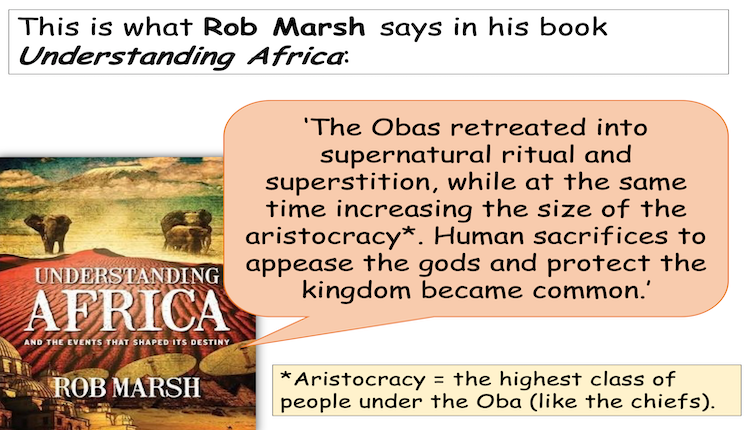
This enquiry focuses on challenging the typical view of the Obas of Benin: they were only able to be successful by ruling through fear and superstition. Students are encouraged to tackle this view by analysing a number of important clues. Next, a close examination of accounts written at the time[…]
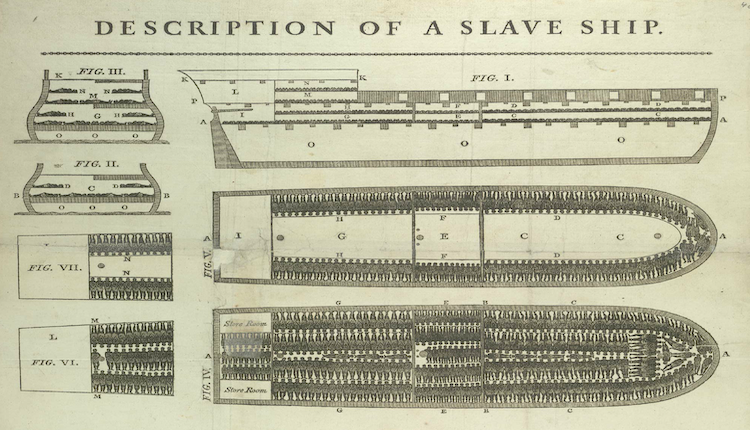
This lesson adopts the classic enquiry approach. You drip-feeding clues and encourage students to refine their hypotheses as they go along. The initial question is set up at the beginning of the lesson: why was it that, after centuries of essentially refusing to be part of the international slave trade,[…]
This enquiry uses a ‘cultural history’ approach to help students gain a deeper understanding of slaves’ experiences in the 19th century. Mahommah Gardo Baquaqua was captured from the Kingdom of Benin and transported to America to work as a slave. Although in some ways his experiences were echoed by thousands[…]
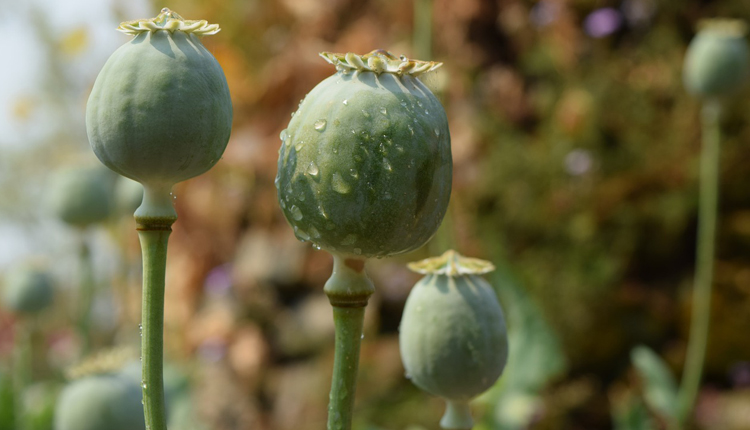
The first ‘Opium War’ unlocks some dark secrets about our past, making for great causation and interpretations work. This lesson provides a good assessment opportunity with clear mark-scheme.
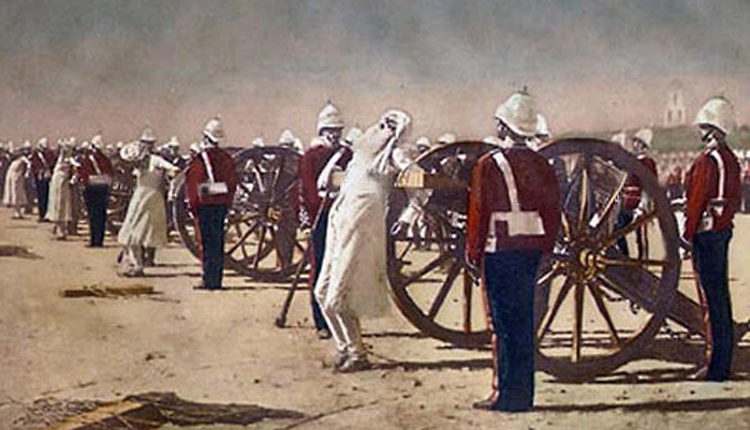
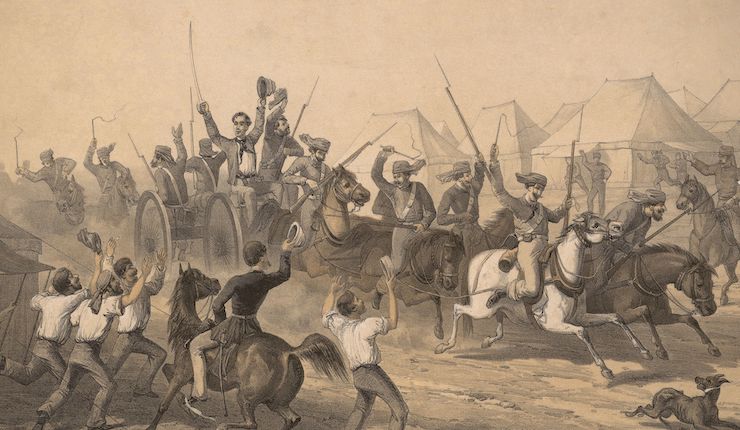
Does John D Clare get it right about the Indian Mutiny? This one-off lesson is intended to give students a snapshot of empire, focusing on India while it was still under the control of the East India Company. It could lead to an investigation as to whether life for Indians[…]
This one-off lesson is intended to give students a snapshot of empire, focusing on India while it was still under the control of the East India Company. It could lead to an investigation as to whether life for Indians really improved under the Raj. Or it could be used to[…]
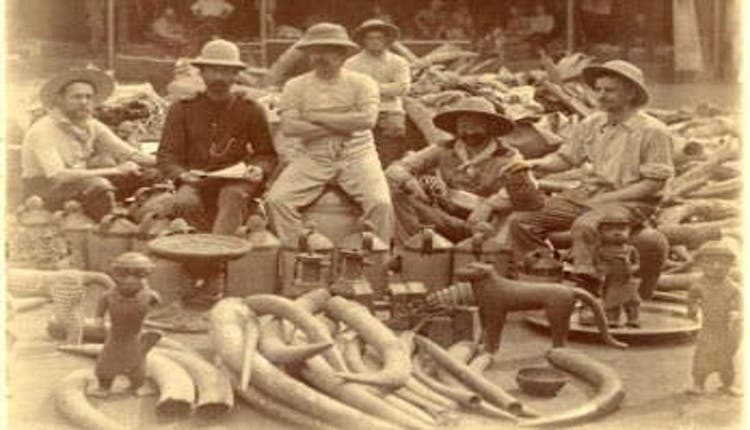
This enquiry offers an engaging way of developing students’ understanding of the horrors of the Benin Massacre of 1897. Students are tasked with putting Sir Harry Rawson on trial for his role in the massacre, gathering evidence to prosecute Rawson. Sir Harry Rawson was the leader of the British forces[…]
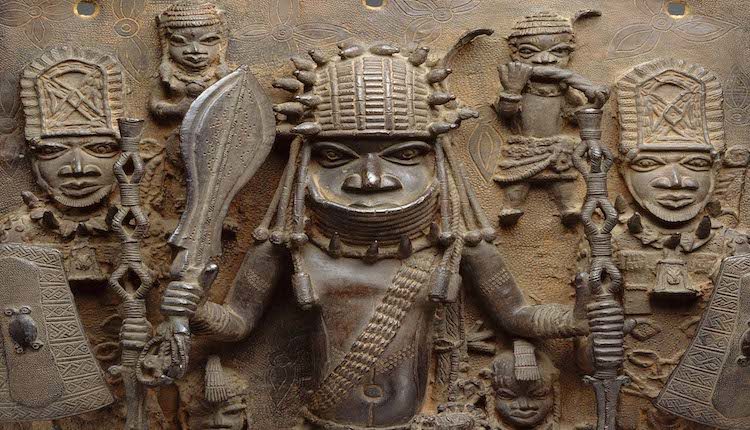
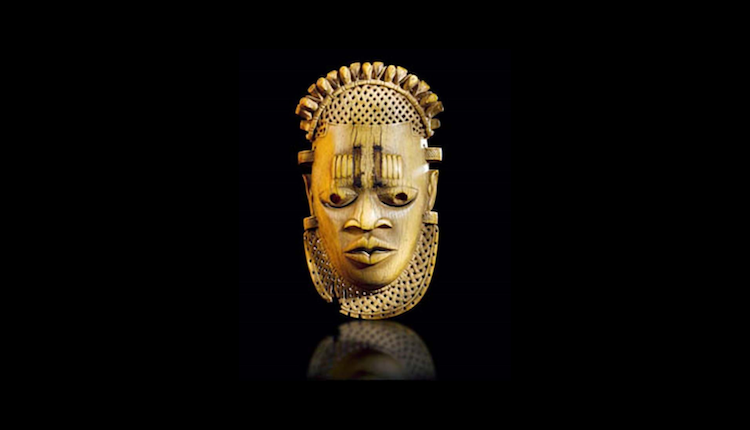
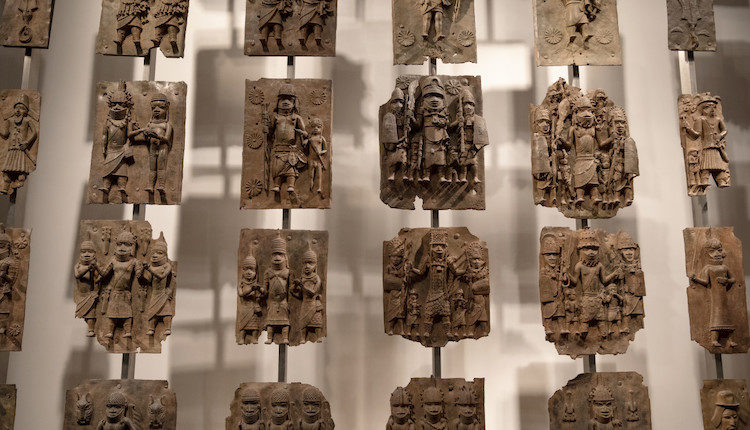
This enquiry takes the form of a debate. Students are equipped with the evidence needed to participate in a debate about the Benin Bronzes, arguing either for the returning of the Bronzes to Nigeria or for their continued display at the British Museum. Students are guided through the process of[…]
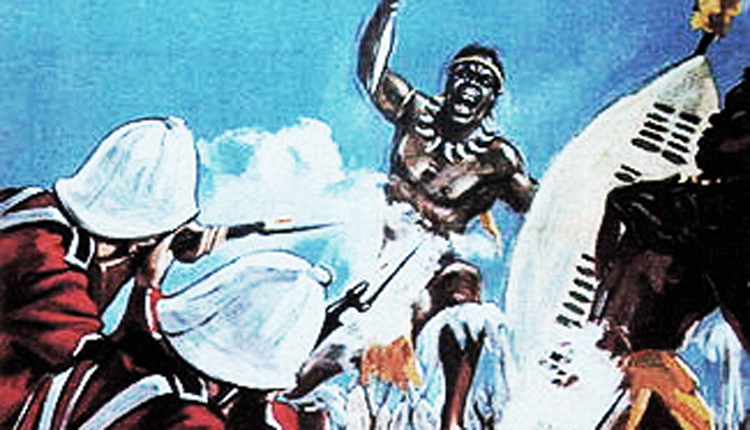
Zulu! Just how accurate is it? Why did an elderly lady storm out of its premier? Your class will debunk an interpretation before considering the tension between reel history and real history.
This enquiry deals with a particularly controversial misconception. Namely, that Africa before colonisation was simply a story of ‘barbarous tribes in irrelevant corners of the globe’ (as Hugh Trevor-Roper put it), and as such was unworthy of study. Join for free here as a basic member to access and download[…]
This enquiry is a great way of encouraging students to practise judging historical significance. Students are introduced to the interpretation of Professor Olupona, who argues that the presence of Islam in Africa ‘completely changed’ Africa and African lifestyles. Then, students apply Ian Dawson’s criteria for historical significance to work out[…]
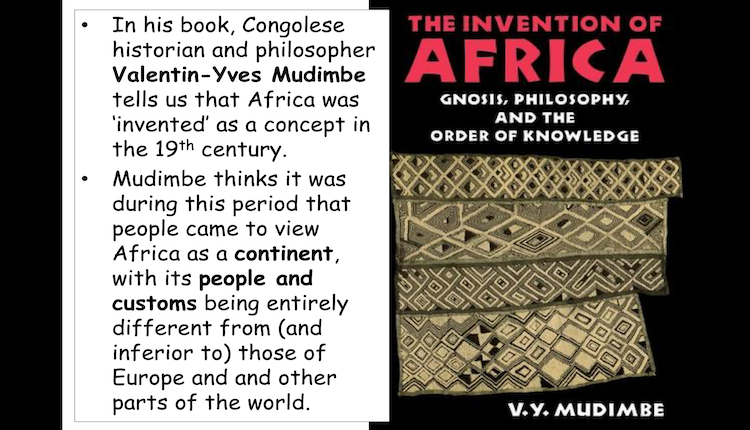
This enquiry is a really great way to end a unit on the study of Africa. If you studied the other enquiries in this unit, your students will bring to the lesson a wealth of knowledge about the diversity of African history, people and cultures. They will realise straight away how[…]
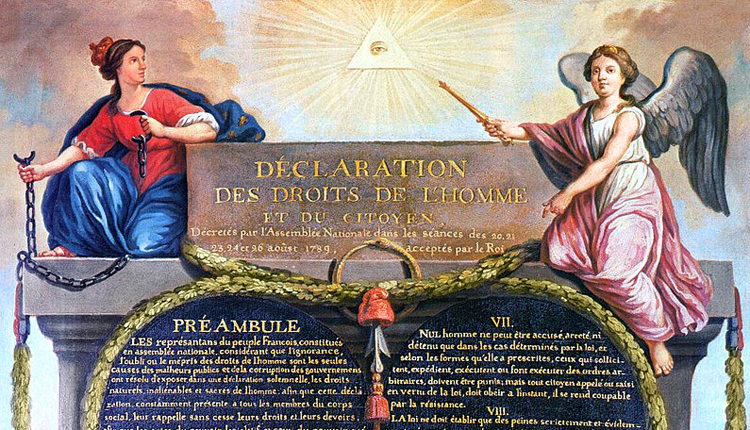
We simply love teaching the French Revolution! Take the stress out of planning by downloading our course. It has been refined over years and years of teaching it.
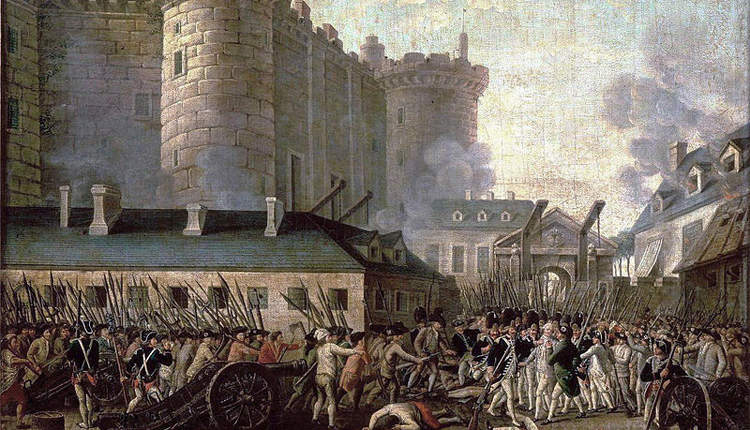
Kick off your course with this action packed overview lesson. Can your students date the image? They will learn about the legacy and events of the revolution too.
Here we use a strong personally story from the past as a vehicle for finding out about crime prevention by 1700. What does the story of Mary Jones reveal to us about crime prevention at the end of the Early Modern Period? Start by asking your class whether they can[…]
You can recommend this post to several users by putting 1 email on each line
We use cookies to ensure that we give you the best experience on our website. If you continue to use this site we will assume that you are happy with it.