In an age of misinformation, schools history is the perfect subject to help pupils challenge narratives. Here are some simple ideas that you can try.
History in the Age of Misinformation: Why Students Must Learn to Challenge Narratives


In an age of misinformation, schools history is the perfect subject to help pupils challenge narratives. Here are some simple ideas that you can try.
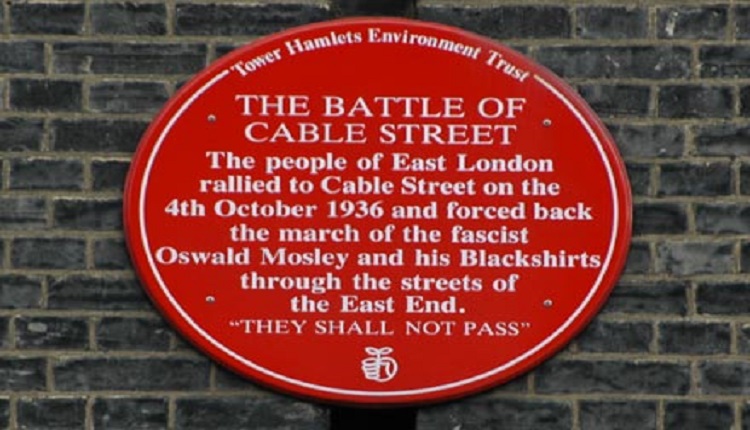
Neil Bates wrote this post a few years back. Never has it been so relevant as now. What with the recent wave of right wing riots, it is more important than ever that we use history to contextualise what happened. Read Neil provides you with brilliant advice on how to[…]

Read this short post to find out different ways to use video clips in your history lessons.
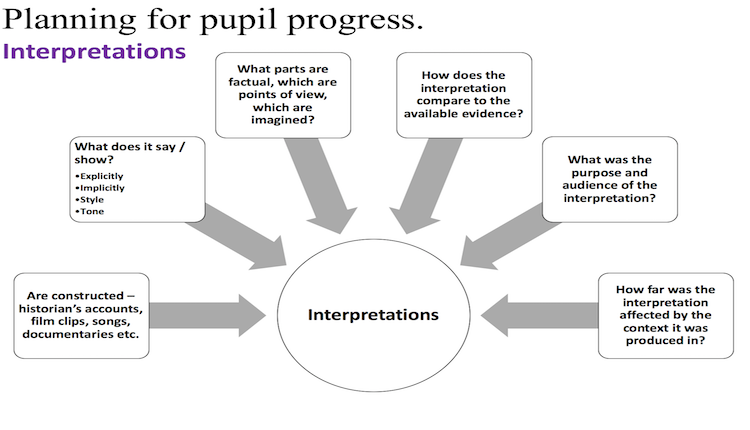
As stated in a previous blog, the teaching of historical interpretations is a crucial element of developing your student’s historical thinking. If you want to play the game where your teaching is solely about getting kids to ‘pass the test’, to do well in the 9-1 GCSEs then this is[…]

I’m sure many of you who’ve taught a module on female suffrage have had many a tittering class over Isabella Beeton’s advice from 1861, that a wife should rise before her husband, “and having given due attention to the bath, and made a careful toilet…” in order to be what Lord[…]
As I said in my previous post, there has been lots of interest in history curriculum planning again. This can only be a good thing. Recently, Ofsted has viewed many of the schools they inspect as exam factories where pupils are taught to pass the test at the cost of[…]

Praise be! In the last few months, there has been lots of interest in curriculum planning again. Recently, Ofsted has viewed many of the schools they inspect as exam factories where pupils are taught to pass the test at the cost of a high-quality education. The latest Ofsted framework focuses[…]
A Traveller’s guide to planning for success in the 9-1 GCSE: I have recently become fascinated by the history of the American West. There are so many great personalities and stories when you start to look. Visiting a number of these sites in the summer really made this history resonate[…]
What 2016 History GCSE offers the best approach to assessment? We offer you a simple comparison tool. You may well have already decided what you think the best course is for you and for your students. I have blogged about this before. But, just to remind you, I think you need[…]
How will interpretations be assessed at GCSE in 2018? Teaching historical interpretations at GCSE in 2016 will be more important than before. There is no getting away from this. As we stated in our last post, this has got be a good thing. After we really should be teaching students[…]
Teaching Historical Interpretations at GCSE. I am really, really pleased that Historical Interpretations has been placed at the heart of the 2016 GCSEs. After all, as Neil Thompson and Christine Counsell have stated, interpretations has always been the jewel in the crown of the Key Stage 3 concepts. Previously we[…]
Teaching historical Interpretations. If you want success at GCSE and beyond you need to think about how you teach what you teach and why you teach what you teach! Fact. This means developing a great Key Stage 3 curriculum and building on this into Key Stage 4. Recently Ofsted have[…]
Like the geek that I am, this week I sat down and looked at the draft specifications from the main exam boards for their new GCSE history courses. After many cups of tea, lots of head scratching and 2 empty printing cartridges I decided that there were pros and cons[…]
Clever use of film clips in lessons. With the omnipresence of YouTube we now have a wealth of film clips available to us as teachers. This is great in the 21st century classroom. Students should have a multi media experience in their lessons. But, how well are we using video in[…]
We firmly believe that children from the earliest age possible should be taught that history is a construct. We love using the works of real historians at different points in lessons. Our pupils should see that history is created by historians and others who piece together the past from the evidence[…]

Nearly every history teacher that I have worked with has said that they find teaching about the period 1750 -1900 really quite difficult. In fact when planning a Hampshire network session a few years ago one very successful head of department (now Deputy Head in Dorset) boldly said that we[…]
