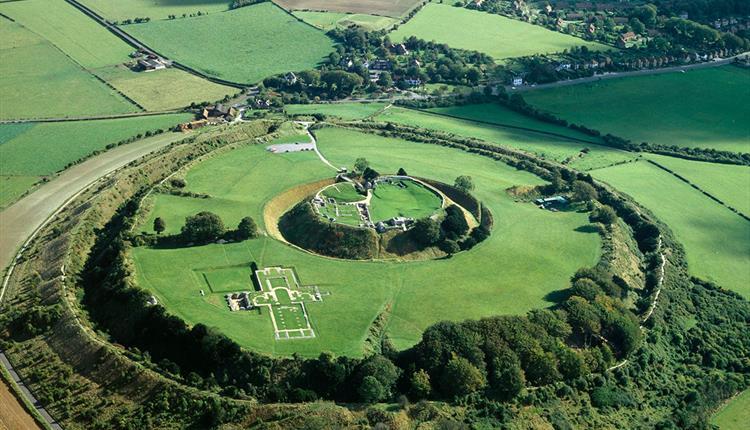
This lesson focuses on a lesser-known but important event from the latter part of William the Conqueror’s reign: the Assembly at Salisbury, where William gathered together the most influential people from across England – including up to 10,000 landowners. At Old Sarum (now Salisbury), these people were expected to make[…]
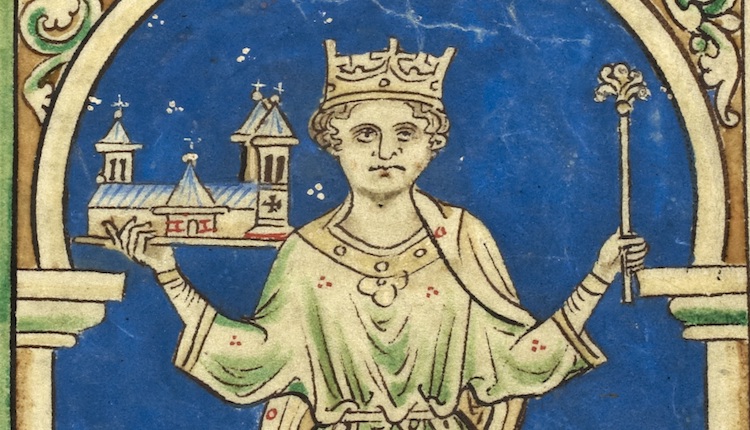
This lesson is the last in the unit on the Norman Conquest. It focuses on the concept of change, giving students the chance to encounter and then respond to an historian’s interpretation about the extent to which the Norman Conquest changed life in England. Students explore change/continuity in various aspects[…]
Some of you may well use tarsias to consolidate your pupils knowledge of a unit of work. You can find out about them here. Join for free here as a basic member to access this resource. Basic membership also gives you access to 60 plus fully planned lessons and free[…]
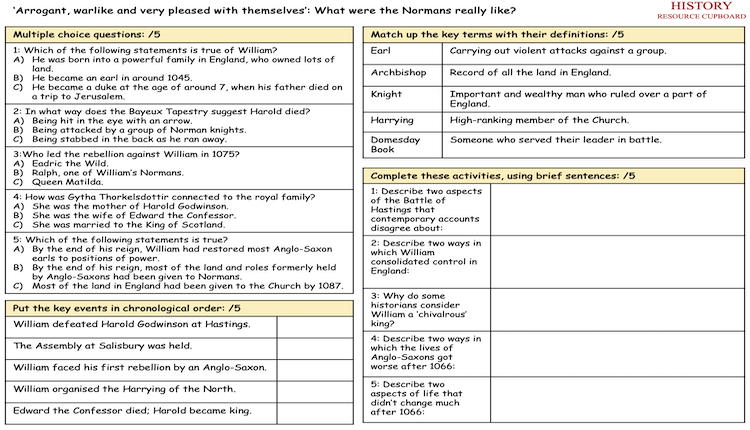
Download this free substantive knowledge test for this 10 lesson Norman Conquest unit. Just sign up as basic member. It tests your students’ core knowledge from this 10 lesson enquiry. The second page shows you the teacher answers. Use it alongside the assessment evaluating Marc Morris’s interpretation of the Normans.[…]
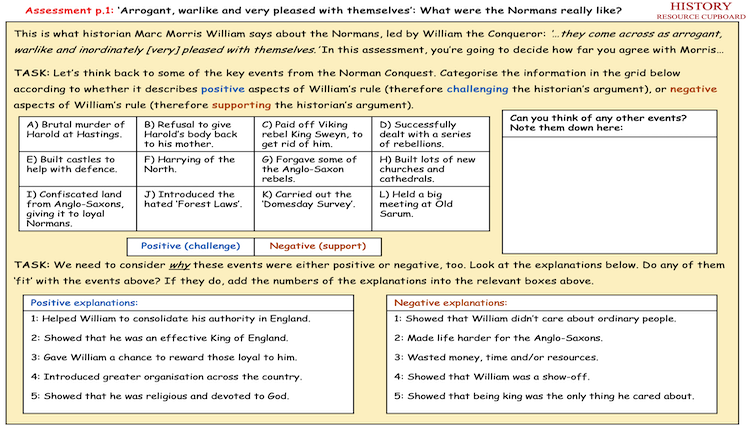
This final assessment focused on the interpretation from historian Marc Morris, that has been central to this unit: ‘Arrogant, warlike and very pleased with themselves’: What were the Normans really like? You help your students structure their answer to this question by providing a structure to help them form their[…]
You can gain access to all of the lessons in this ‘Outsiders’ in Medieval England package. This unit brings to life forgotten stories from this period and really helps add diversity to any Medieval scheme of work. The lessons for the ‘Outsiders’ in Medieval England package focus on different groups[…]
This activity serves to introduce the ‘big story’ of the unit. Join for free here as a basic member to access this resource. Basic membership also gives you access to 60 plus fully planned lessons and free resources. Overviews are crucial in helping your pupils make sense of your curriculum.[…]
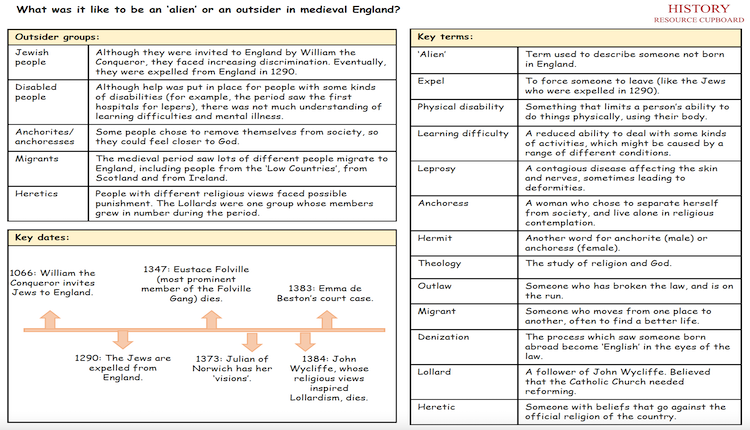
Download this knowledge organiser for the sixth unit in the HRC Year 7 Diverse Curriculum. Join for free here as a basic member to access this resource. Basic membership also gives you access to 60 plus fully planned lessons and free resources. The unit is centred around the question: What[…]
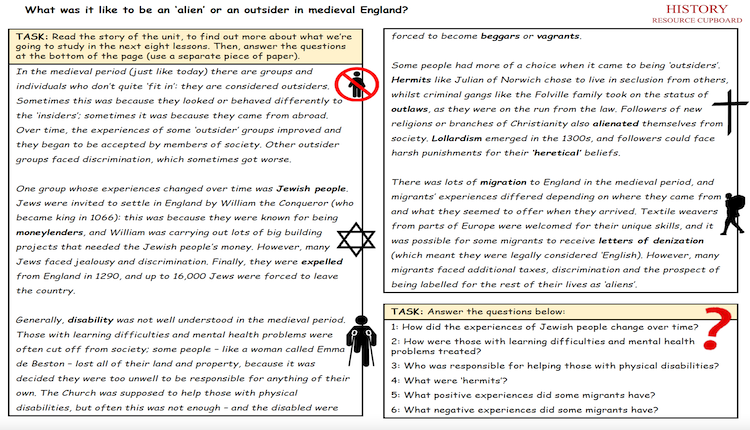
This lesson serves as an introduction to a new unit. Taken as a whole, this unit focuses on the experiences of various ‘outsiders’ in medieval England. Here, students look atJewish settlers, and they chart the highs and lows in the treatment of Jewish people from 1066 (when William invited Jewish[…]
This lesson focuses on a group of ‘outsiders’ in medieval England – people who suffered from various kinds of disability. Join for free here as a basic member to access and download this lesson and all of its resources. Basic membership also gives you access to 60 plus fully planned[…]
This lesson builds on the work done in the previous enquiry (‘What was it like to be disabled in the medieval period?’), focusing on the experiences of people who suffered from mental health problems. It zooms in on the case of Emma de Beston. Emma was a 14th century widow[…]
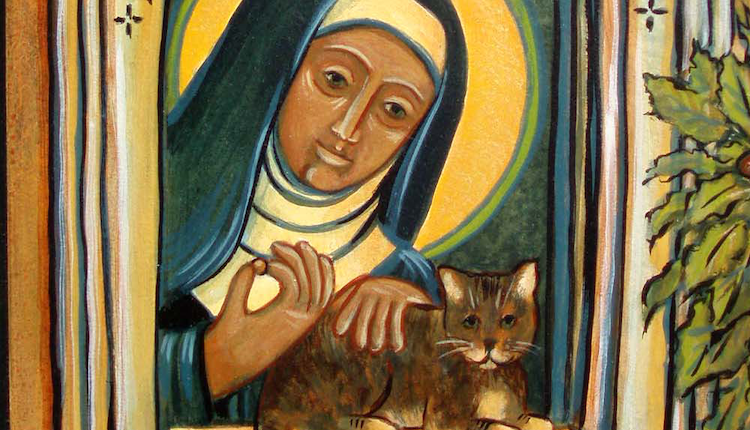
This lesson gives students the chance to learn more about the lives of ‘hermits’ in the medieval period. Hermits were otherwise known as ‘anchorites’ or ‘anchoresses’. Students meet Julian of Norwich, an anchoress whose Revelations of Divine Love was the earliest surviving English language book written by a woman. Students[…]
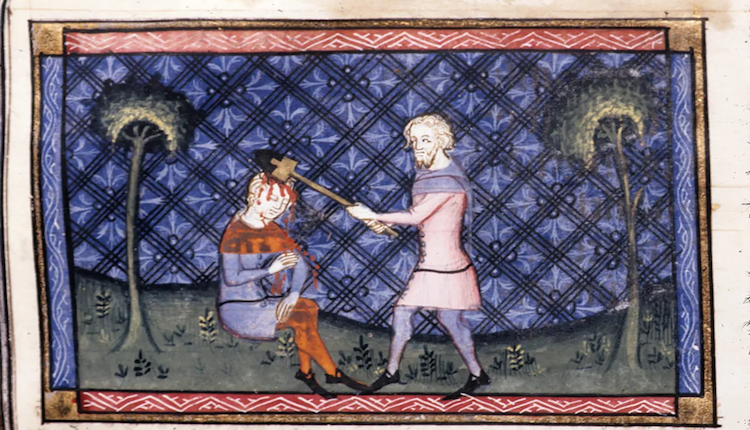
This enquiry focuses on a group of people who chose to become ‘outsiders’ – or, more precisely, ‘outlaws’. The Folville Gang was a band of men who meted out their own form of ‘justice’ in 14th century Leicestershire. Their fame was bolstered by the murder of the corrupt Sir Roger[…]
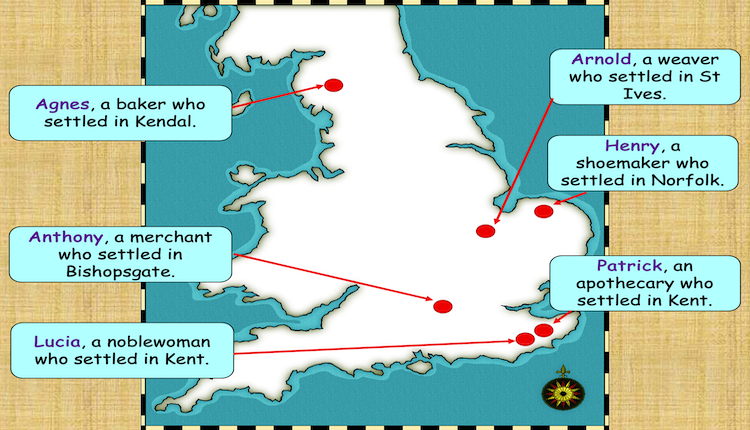
This lesson focuses on the experiences of migrants – sometimes known as ‘aliens’ – in medieval England. Students are introduced to a range of individuals, all of whom were ‘real’ migrants. They arrived in England between the 14th and 16th centuries (their stories derive from the online database ‘England’s Immigrants’,[…]
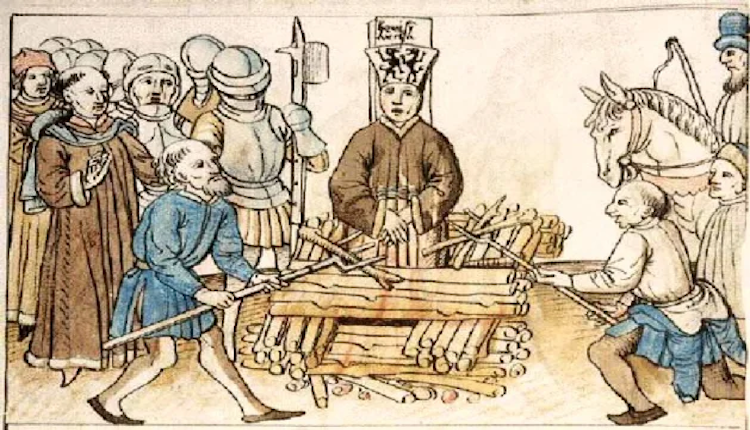
This is the final lesson in the unit, and focuses on heresy. Heresy was a crime which could result in ordinary people being branded as ‘heretics’, and subsequently ostracised from society. As Joan Boughton’s case exemplifies, the authorities were so worried about the rise of Lollard heretics in the 14th[…]
Some of you may well use tarsias to consolidate your pupils knowledge of a unit of work. You can find out about them here. Join for free here as a basic member to access this resource. Basic membership also gives you access to 60 plus fully planned lessons and free[…]
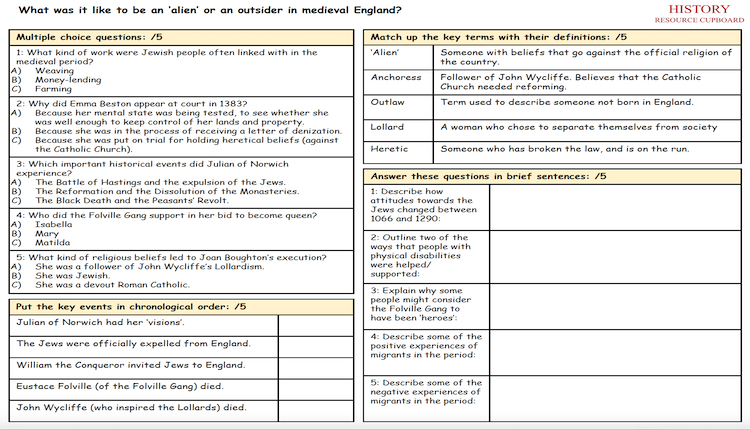
Download this free substantive knowledge test for our Outsiders in Medieval England unit. Just sign up as basic member. It tests your students’ core knowledge from this 7 lesson enquiry. The second page shows you the teacher answers. Use it alongside the museum exhibition assessment task. This means you will[…]
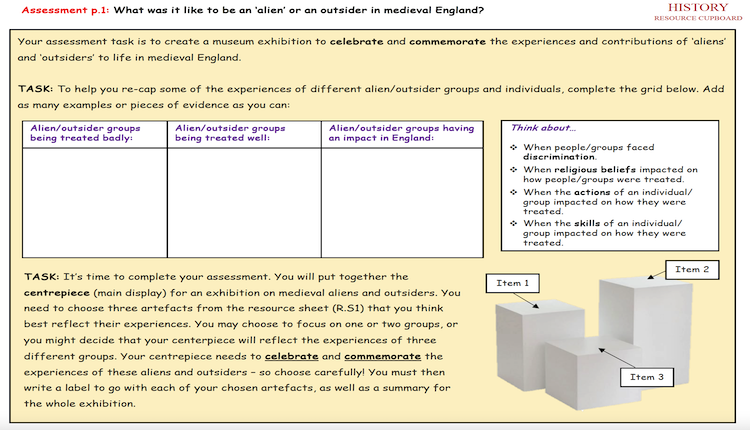
This final assessment focused on the question: What was it like to be an outsider in Medieval England? Your students will curate a museum exhibition to celebrate and commemorate the experiences and contributions of ‘aliens’ and ‘outsiders’ to life in medieval England. They choose 3 artefacts from a selection and[…]
Why not download this fully resource lesson package on Medieval African history? It has been designed for the diverse KS3 curriculum. An alternative is to use the world wide Africa unit. This unit brings to life histories that have previously been missed. It will help your students to understand this[…]
This activity serves to introduce the ‘big story’ of the unit. Join for free here as a basic member to access this resource. Basic membership also gives you access to 60 plus fully planned lessons and free resources. You could use this story in the first lesson of the unit,[…]
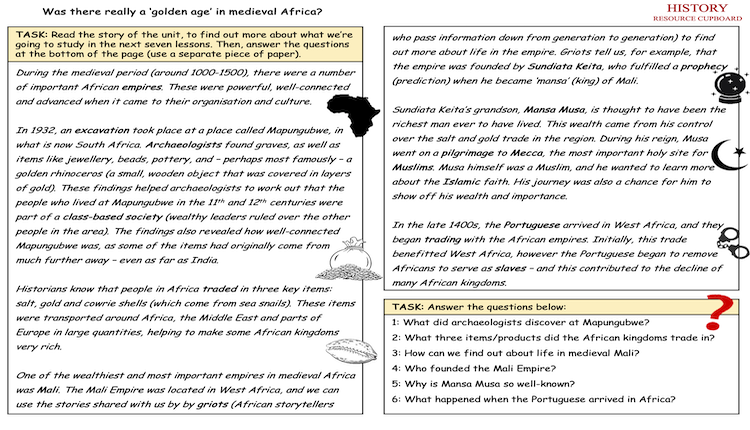
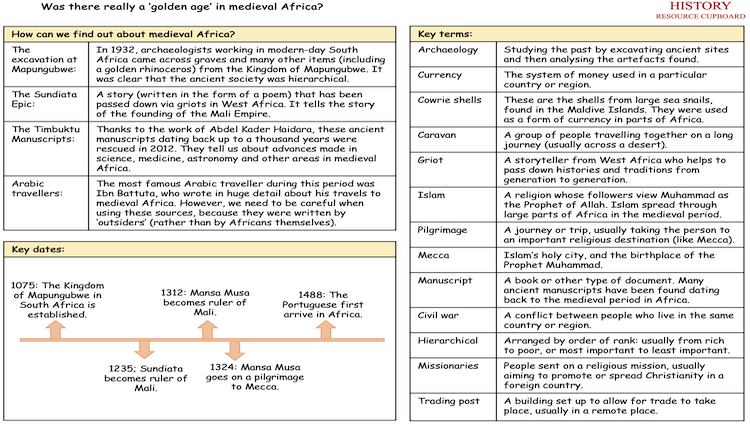
Download this knowledge organiser for the seventh unit in the HRC Year 7 Diverse Curriculum. Join for free here as a basic member to access this resource. Basic membership also gives you access to 60 plus fully planned lessons and free resources. The unit is centred around the question: Was[…]
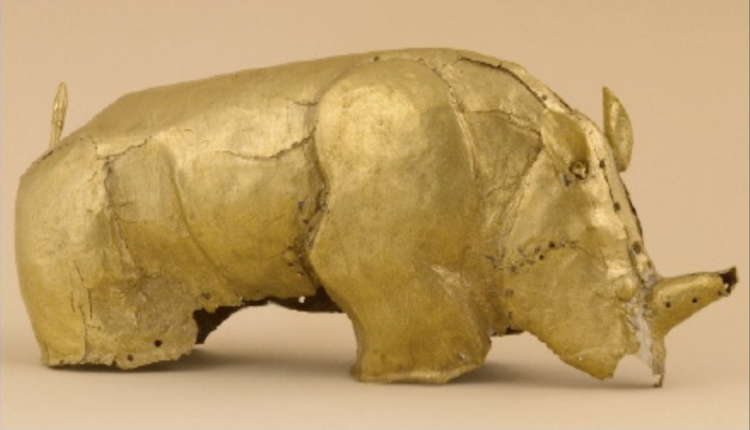
This lesson introduces students to medieval African history. It focuses on the excavated remains found at one important site in modern-day South Africa. Students first encounter the ‘Golden Rhinoceros’. This was one of the objects that was excavated at Mapungubwe, and upon which a number of claims have been based[…]
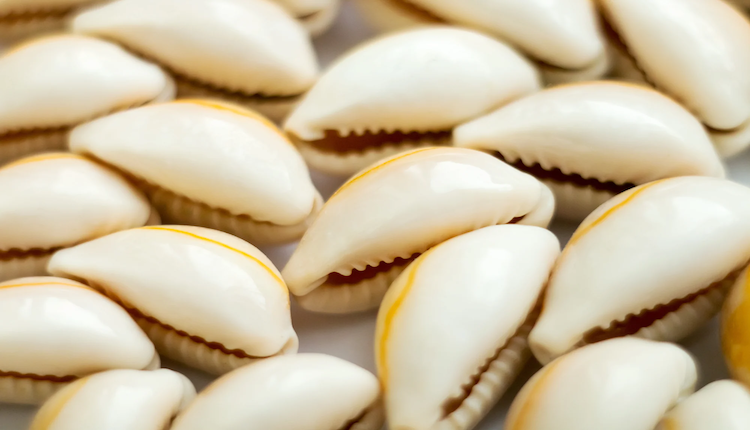
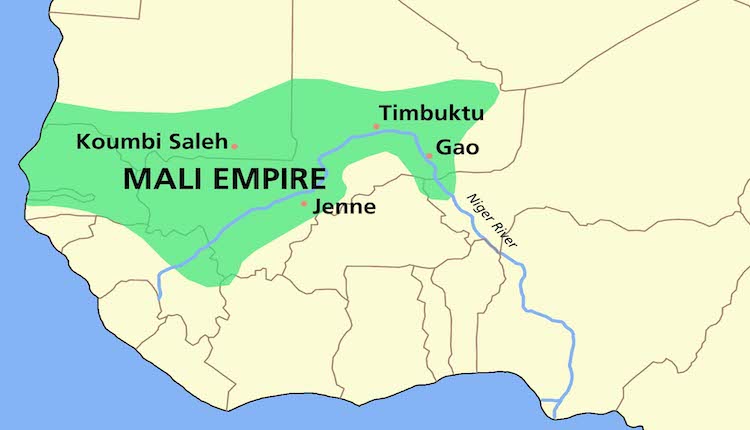
This enquiry helps students to appreciate the impressive interconnectedness of the African kingdoms during the period we know as ‘medieval’. First, students are asked to predict which of three products – salt, gold or cowrie shells – was most ‘valuable’ at the time. Next, they plot the movement of these[…]
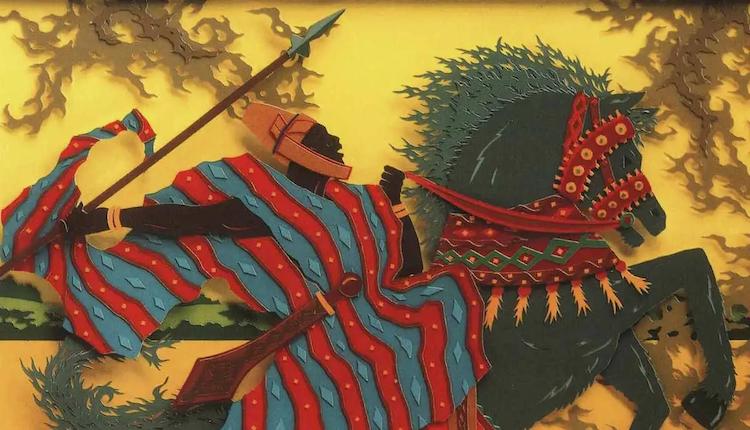
This lesson continues the theme addressed in the unit so far. Namely, the importance of using ‘alternative’ sources to approach an understanding of life in medieval Africa. This time, students focus on the ‘Sundiata Epic’. This is a story that has been passed down by generations of griots (storytellers/musicians that[…]
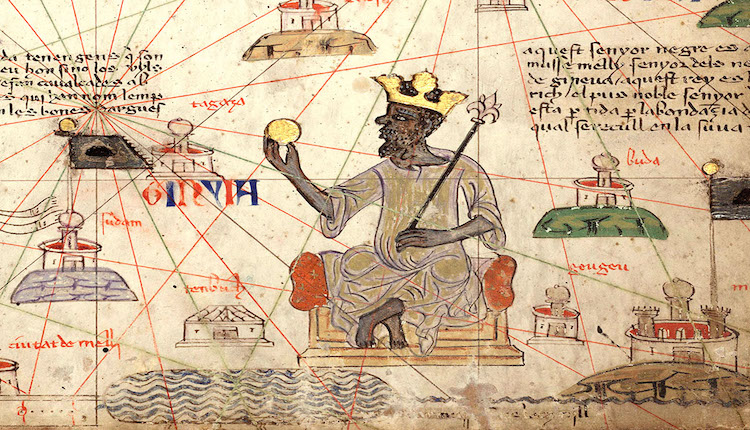
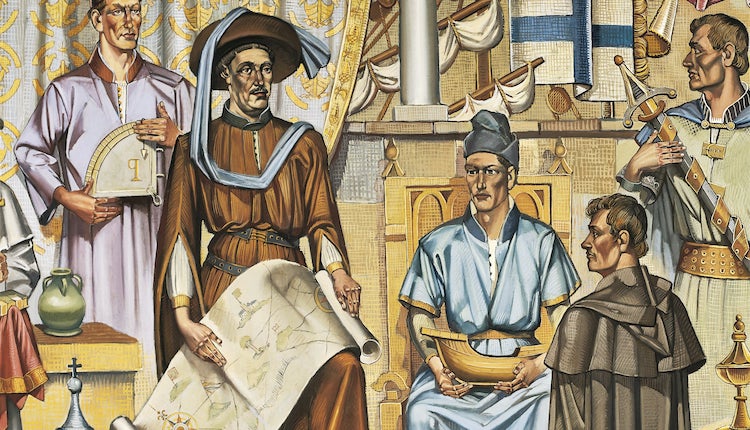
This enquiry focuses once again on the medieval Mali Empire. This time you will explore the pilgrimage undertaken by the famous Mansa Musa in 1324-5. Students are introduced to Musa via the Catalan Atlas, and asked to speculate about the reasons for his long journey. Why might such a powerful[…]
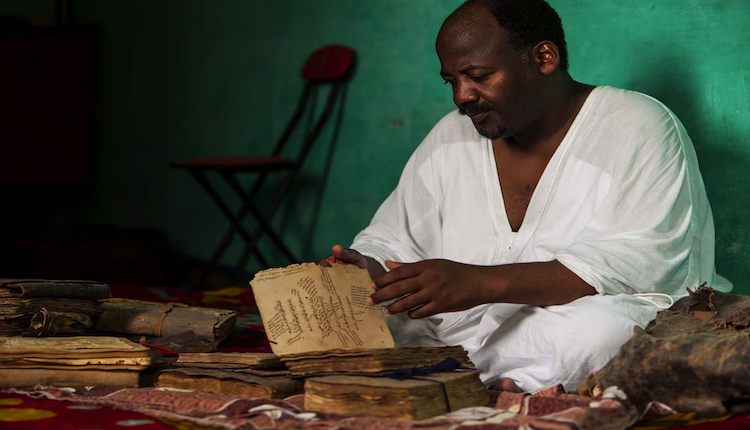
This lesson takes the title of Joshua Hammer’s intriguingly-named book ‘The Bad-Ass Librarians of Timbuktu’ for its enquiry question. It focuses on the remarkable story of Abdel Kader Haidara, the librarian who rescued thousands of manuscripts from the grasp of Al-Qaeda-linked terrorists in 2012. It describes Haidara’s heroism in smuggling[…]
This is the final lesson of four to focus on the medieval Mali Empire. This lesson examines the empire’s slow but steady decline. Students are first asked to speculate about the reasons for Mali’s decline – bearing in mind the strong foundations that had been laid by both Sundiata and[…]
This lesson explores the early impact of the Europeans in Africa. It focuses on the incursions of the Portuguese in West Africa from the late fifteenth century onwards. The aim of the lesson is to challenge the idea that the Europeans (in this case the Portuguese) simply exploited Africa –[…]
Some of you may well use tarsias to consolidate your pupils knowledge of a unit of work. You can find out about them here. This tarsia has been designed to check out your classes knowledge of the Year 7 diverse curriculum: Medieval Africa. It is recommended that you use this[…]
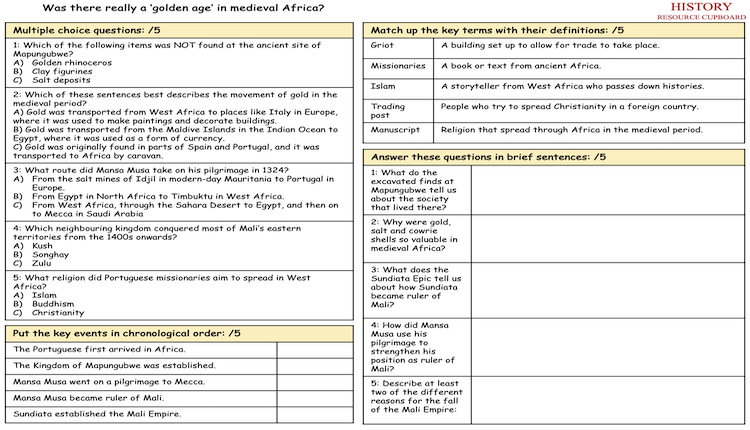
Download this free substantive knowledge test for this 6 lesson unit on Medieval Africa. Just sign up as basic member. It tests your students’ core knowledge from this 6 lesson enquiry. The second page shows you the teacher answers. Use it alongside the weather forecast final assessment. This means you[…]
You can recommend this post to several users by putting 1 email on each line
We use cookies to ensure that we give you the best experience on our website. If you continue to use this site we will assume that you are happy with it.