
If we are to create outstanding learning and learners, we need to engage our pupils to become curious from the start.
One way to help engage learners and create curiosity is ensure that all enquiries that start in an intriguing way. This isn’t a new and revelationary idea.
Good teachers have always done this. Yet it is something that is easily forgotten.
The Hook
We need to hook our learners in and get them to want to find out more right from the start. This means they need to be given some kind of problem or puzzle to solve, or a hypothesis to test. However, familiarity breeds contempt. If we start each enquiry in exactly the same way then our pupils will become bored.
The best teachers get around this by having more tools in their toolbox. They develop a whole host of different strategies that they can call on when planning the starts of their enquiries. This ensures they grab the attention from the start and make the youngsters want to find out more.
Curiosity has been created. Then the best teachers develop a whole host of strategies to help pupils find the information they need.
In no particular order we have briefly described some tried and tested attention grabbing starts to lessons.
10 stimulating starts
1. Speaking object
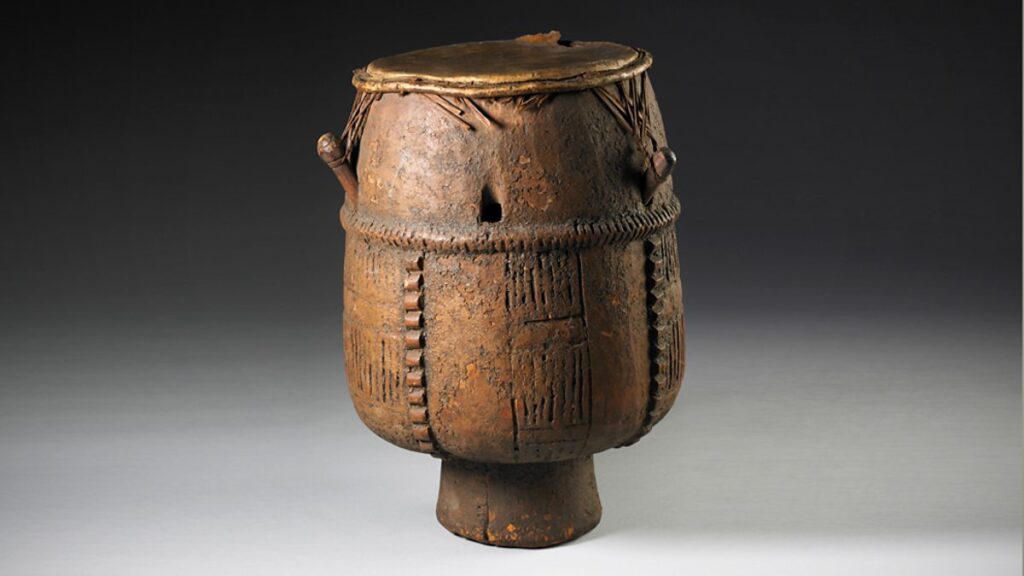
This simple idea works really well if you use an object that has hidden secrets. You can start with either a picture of an object, or the real thing. Then show the object and get your kids to ask questions about it. Record these questions on the board, then introduce a few tantalising facts about the mystery object. Imagine it would speak, what would it say? What stories might it tell? So, what stories would the Akan drum tell? The Akan drum was found off the East coast of America in the 1700s and was taken to the British Museum. For years it was believed to belong to the Native Americans. It was then discovered that actually the drum was made in West Africa. How on earth did get to America? What questions does this raise? This is a great idea for the start of an enquiry – imagine the drum could speak? What stories would it tell? What a fab way to start an enquiry on the slave trade.
2. Beat the textbook/ website / expert
This is an all time favourite. Quite simply start with a textbook, website or even historians account of the event you are going to be looking at. Often these summaries miss out hugely important facts about the event you are going to look at. Next ask the class how they know that the expert is correct about this? How can they find out? Simple as that – the next steps involve getting the class to investigate to find out information about the event, and to see if the new information agrees, then as an end task, get them to review the expert’s account. Armed with their new knowledge they will see things they know that are not included. Discuss why this is.
3. What connects?
Take three or four objects and ask your class if they have any ideas what connects them together. Next introduce a little more about the story of the event that you are going to be looking at and ask them if they can work it out now? Don’t tell them the answer, let the enquiry unfold and, keep coming back to your objects until they can work it out.
4. Slow reveal
It is hugely important to get the pupils to raise questions as well as answer them. After all the national curriculum document for history has long stated that pupils should, ‘ask and answer questions…’ . One way to do this is slowly reveal a picture or a painting. Rather than just showing an image as a whole it is important to get your classes to look closely at the different aspects of the image and guess what the rest of it shows. We were doing this for years with overhead projectors – we would either cover up different parts of an image, or cut it out and place different sections down in the right order.
Power point has made this so much easy. All you do is put a image on a slide, then over the top of this place different plain boxes. Then you decide which box you want to disappear first, second etc and which part of the image you want to remain covered for longest. To make the boxes disappear you simply use the ‘custom animation’ tool and use ‘disappear’ then make each box disappear in the order you want. When showing this in class you can then stop after a few of the boxes have gone and ask the class what they think the rest of image shows? What do they think it is going on in the rest of the picture? When the whole of the image is shown get them to come up with as many questions as they can about the image. We have used this technique in an old classic Suffragette lesson called: How and why did the Suffragette campaign become more extreme?
5. Shocking story
Story telling is one of the best ways to engage a class. By starting an enquiry with a shocking story, about a murder, an execution or a painful death from a killer disease you will hook you classes in. If you stick to the description of the event, some bright spark will always pipe up and ask why did it happen? Then you are in. The best example I can think of comes from Michael Riley: Why was Richard Whiting killed? We have added our twist to this here.
6. Mystery photo
Starting with a photo is another way to get kids to raise questions. We love using people because we know people are what make history interesting. You could either start with the unknown or the historically famous. In our enquiry on what was life like in the 1930s? We use a photograph of a family on holiday as the starting point. What can be inferred about them? Another classic is to start an enquiry on the causes of World War One with a photo of Archduke Franz Ferdinand and his wife. What questions do they have about this couple? Then tell them the story of the 28th June 1914 and ask them to answer their first questions, and come up with some more.
7. Did the gallery waste their cash?
The National Portrait Gallery is in itself a study in historical significance. Who chooses who goes in? Based on what criteria? We have taken a relatively recent purchase of a portrait if the so called ‘father of the factory system’, Richard Arkwright, and asked the question – did the gallery waste their cash – does Richard Arkwright deserve his place on the walls of the National Portrait Gallery? This turns into a great study in significance.
8. Advice to film maker / TV producer
Show the class a well chosen extract from a film or documentary. Did the film maker get it right? Then go on to investigate and return at the end to the clip and improve it. There are many ways you can tweak this idea to make it work for you. For a good example see our lesson: What would you include in a 30 second news bulletin to explain the causes of World War One?
9. Critique the plaque
Take a plaque like the one to the Peterloo Massacre or the one on Robespierre’s house in Arras for example. Get them to make sense of it and raise questions about it. Then, teach them the substantive stuff about the topic. Armed with knowledge get them to return to plaque and find things it misses, misleads on. Also consider the style it is written in. This is great interpretations work.
10. What’s your favourite ISM?
Do let us know.